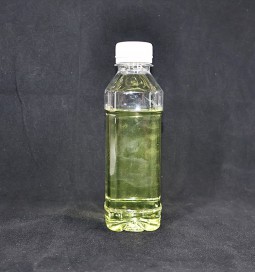
In the fields of modern public health, industrial production, and environmental protection, humanity consistently faces a common challenge: effectively controlling the proliferation of harmful microorganisms, bacteria, fungi, and pests. With the rise of global trade, urbanization, and increasing population density, concerns over microbial contamination and biological hazards have grown significantly. Against this backdrop, biocidal products have emerged as vital tools for safeguarding public health, ensuring industrial safety, and protecting ecological environments.
Biocidal products find extensive application across multiple domains, including disinfection, preservation, sterilization, mold prevention, and pest control. From hospital disinfectants to water treatment biocides, from food processing plant preservation systems to mold-resistant coatings for building materials, these products permeate virtually every corner of modern society. This article provides a systematic analysis of biocides, covering their definition, classification, mechanisms of action, application areas, market development, and safety management, offering readers a comprehensive understanding of this vital chemical category.
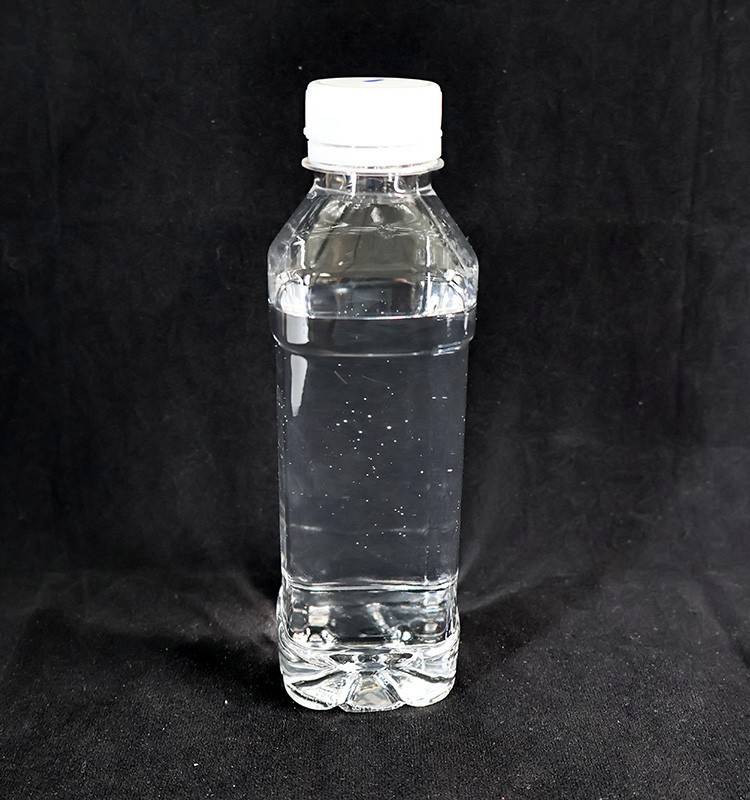
Biocidal products refer to chemical or biological agents designed to eliminate, inhibit, or control harmful organisms. Their targets typically include bacteria, viruses, fungi, algae, insects, and other microorganisms or pests. Within international regulatory frameworks, biocides are generally defined as products containing one or more active substances capable of inhibiting or killing harmful organisms through chemical or biological action. Unlike ordinary cleaning products, biocidal products do not merely clean surfaces. Instead, they directly impact the life processes of microorganisms through scientifically formulated compositions to achieve disinfection or protective purposes.
The core functions of biocides include: sterilization, disinfection, preservation, mold prevention, algicide, and insecticide. Consequently, these products play a vital role in public health, food safety, and industrial production.
Biocidal products can be categorized into various types based on their application domains and target organisms. Different product types exhibit distinct differences in formulation, concentration, and application methods.
Disinfectants are among the most common biocides, primarily used to kill bacteria and viruses. They are widely applied in hospitals, laboratories, food processing plants, and public spaces.
Common disinfectants include: chlorine-based disinfectants, peroxide disinfectants, alcohol-based disinfectants, and quaternary ammonium disinfectants. These products rapidly disrupt microbial cell structures to achieve bactericidal effects.
Preservatives primarily prevent microbial contamination during product storage or use. They are commonly added to food, cosmetics, pharmaceuticals, and industrial products. Preservatives inhibit bacterial and fungal growth, thereby extending product shelf life.
In humid environments, mold readily proliferates and degrades material structures. Mold inhibitors are applied to wood, coatings, textiles, and building materials to prevent fungal growth. For instance, incorporating mold inhibitors into architectural finishes significantly extends material durability.
In water treatment, rapid algal proliferation degrades water quality. Algaecides control algal growth to maintain aquatic ecological balance.Algaecides are commonly used in: swimming pools, industrial circulating water systems, reservoirs, and ornamental water bodies.
Biocides also include products designed to control insects, mites, and other pests. These products are vital in agriculture, storage facilities, and public health sectors, such as: mosquito control agents, termite control agents, and stored-product pest control products.
Biocides effectively control microorganisms by disrupting or destroying their vital functions. While mechanisms vary by product, primary modes of action include:
Many disinfectants rupture bacterial or fungal cell membranes, compromising integrity and causing cellular contents to leak, ultimately leading to cell death.
Certain biocides interfere with microbial protein synthesis, preventing normal growth and reproduction.
Highly effective disinfectants can directly damage microbial DNA structures, blocking replication and reproduction.
By affecting microbial metabolic systems, some biocides inhibit energy production, thereby suppressing microbial activity.
With the advancement of modern industry and public health systems, biocidal products have become integral components across multiple sectors.
In public spaces such as hospitals, schools, airports, and shopping malls, disinfectants are used to prevent disease transmission. Demand for disinfectants surges significantly during infectious disease prevention and control periods.
Food production environments must maintain stringent hygiene standards. Biocides are employed for equipment cleaning, production line disinfection, and storage environment control to prevent microbial contamination of food.
In industrial circulating water systems and municipal water treatment processes, biocides control bacterial and algal growth, preventing pipeline blockages and equipment corrosion.
In products like coatings, paints, adhesives, and lubricants, adding preservatives inhibits microbial growth and maintains product stability.
Building materials are prone to mold growth in humid environments. Adding antifungal agents effectively extends material lifespan and preserves architectural aesthetics.
Given their capacity to eliminate microorganisms, biocidal agents are subject to stringent safety and usage regulations.
Many countries and regions have established dedicated regulatory frameworks. For example: Europe implements strict biocide management systems, while the United States requires product registration and safety assessments. These regulatory measures aim to ensure products effectively control microorganisms without adversely affecting human health or the environment. Manufacturers must comply with relevant regulations and conduct rigorous quality testing when producing and selling biocidal products.
Driven by heightened global health awareness and growing industrial demand, the market for biocidal products continues to expand.
Future trends include: eco-friendly formulations, low-toxicity high-efficiency products, bio-based biocides, and intelligent application technologies. Particularly driven by green chemistry and sustainable development principles, new biocides will increasingly prioritize safety and environmental friendliness.
Overall, biocidal products play an irreplaceable role in modern society. From public health protection to industrial production, from food safety to water resource management, they provide a vital protective barrier for humanity. With technological advancements and growing market demand, biocidal products will continue evolving toward greater efficiency, safety, and environmental sustainability. For relevant enterprises and industries, gaining a deep understanding of biocidal performance, applications, and regulatory requirements not only enhances product quality but also enables better alignment with global market trends. In future industrial and public health systems, biocidal products will remain pivotal, providing crucial support for safeguarding human health and environmental security.

 E-mail:jcl@jichanglong.com
 WhatsApp:+8618560709619
 Address:Block B, Polymer Materials Industry Innovation Park,No. 51, Lutai Avenue, High-tech Zone, Zibo City, Shandong Province
China vanadium inhibitors manufacturer Shandong Jichanglong Environmental Engineering Co., Ltd.
Jichanglong specializes in vanadium inhibitor , dehumidification and drying block, calcium hypochlorite disinfectant tablets, polyacrylamide and other products. With over 20 years of experience, we offer quality assurance and wholesale prices.