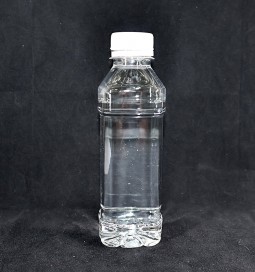
With the continuous development of industrial production and water resource utilization, increasing attention is being paid to the control of various inorganic substances and pollutants in water. Fluorine is widely present in the natural environment and industrial raw materials; while it plays an important role at certain concentrations, excessive fluoride levels in water bodies can compromise water quality and adversely affect specific industrial processes and water usage. Consequently, effectively reducing fluoride concentrations in water has become a key concern in water treatment and industrial wastewater management.
Defluorinating agents are a class of water treatment chemicals designed to reduce fluoride concentrations in water bodies or industrial wastewater. Depending on their composition and the treatment process employed, these agents achieve fluoride removal through mechanisms such as adsorption, precipitation, complexation, or other chemical and physical interactions.
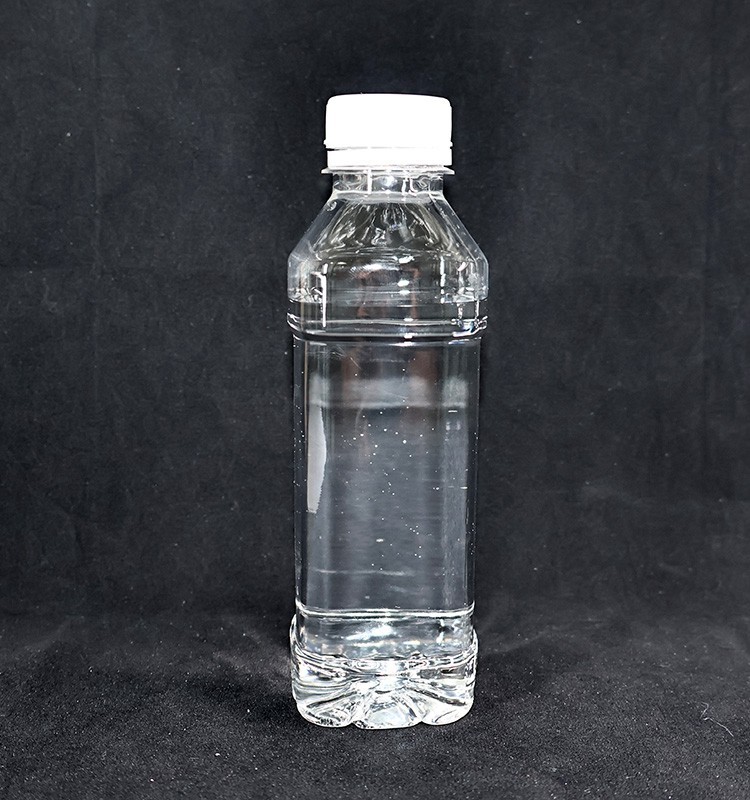
A defluorinating agent is a functional water treatment chemical specifically designed to treat fluoride in water. Fluorine in water typically exists as fluoride ions or other soluble fluoride compounds. Since the sources and concentrations of fluoride vary across different water sources and industrial wastewater streams, treatment methods differ accordingly.
The primary objective of a defluorinating agent is to reduce fluoride concentrations in treated water by converting dissolved fluoride into substances that are easier to separate—or by facilitating its adsorption onto specific materials—through appropriate chemical reactions or adsorption processes. Depending on the specific product formulation, defluorinating agents may operate via different mechanisms: some rely on the formation of insoluble compounds through the interaction of metal ions with fluoride ions, while others reduce fluoride ion concentrations through adsorption or complexation.
Therefore, a defluorinating agent is not a single chemical substance but rather a category of water treatment products capable of removing fluoride.
In certain industrial processes, raw materials or production methods can introduce fluorine, resulting in the generation of fluoride-containing wastewater. Such wastewater is commonly produced in sectors including chemical manufacturing, metallurgy, glass and ceramics production, mineral processing, and parts of the electronics industry. If fluoride concentrations are high, direct discharge may fail to meet environmental regulations. Therefore, appropriate defluorination processes must be implemented during wastewater treatment. By dosing with suitable defluorinating agents, fluoride can be induced to precipitate or adsorb, thereby lowering the fluoride content in the water. In practical application, the specific reagents and process conditions must be determined based on the wastewater's fluoride concentration, pH, ionic composition, and treatment objectives.
Fluorine may occur naturally in some water sources. If fluoride concentrations exceed local drinking water standards, appropriate treatment technologies must be employed for control. Defluoridation can be achieved through methods such as adsorption, membrane treatment, and chemical precipitation. In specific treatment processes, defluoridation agents can serve as auxiliary reagents to facilitate fluoride removal.
It is important to note that drinking water treatment differs significantly from general industrial wastewater treatment. Products used for drinking water must comply with relevant regulations, standards, and health safety requirements; standard industrial wastewater treatment agents cannot be used directly in drinking water production. Therefore, when selecting a defluoridation agent for drinking water applications, priority should be given to verifying the product's authorized scope of use and ensuring compliance with relevant certification and testing requirements.
Fluorine-containing chemical materials are often used in electronics manufacturing, resulting in wastewater that may contain fluoride. For instance, fluoride-bearing wastewater can be generated during metal surface treatment, etching, and semiconductor manufacturing processes. Such wastewater is typically characterized by complex composition and stringent treatment requirements. Fluoride concentrations can be reduced through appropriate pretreatment and chemical treatment. Depending on the specific process, defluoridation agents can serve as auxiliary materials within the chemical treatment stage, used in conjunction with processes such as pH adjustment, coagulation, precipitation, and filtration. When treating electronics industry wastewater, one must consider not only fluoride concentration but also other contaminants and the requirements for final discharge or water reuse.
The metallurgical industry is another key sector for fluoride-containing wastewater treatment. Wastewater containing fluoride can be generated during mineral processing, metal smelting, and certain surface treatment operations. The presence of ions such as calcium, magnesium, aluminum, and iron in the wastewater may affect fluoride removal efficiency. Consequently, water quality analysis is required during actual treatment to determine the optimal process conditions.
When using defluoridation agents, it is generally necessary to control the pH and dosage to ensure the reagent reacts fully with the fluoride. The resulting fluoride-containing solids can then be removed from the water through precipitation and solid-liquid separation.
The chemical industry involves a wide variety of raw materials and production processes, resulting in wastewater with highly diverse compositions. Certain chemical production processes generate fluoride-containing wastewater, necessitating fluoride control during subsequent treatment. In such cases, defluorinating agents can be integrated into comprehensive wastewater treatment systems. In practice, these agents are rarely used in isolation; instead, they are combined with processes such as pH adjustment, coagulation, sedimentation, and filtration.
For chemically complex wastewater, conducting beaker tests or pilot-scale trials prior to selecting a specific agent is crucial. These experiments allow for the observation of fluoride removal rates, sludge generation, and reagent consumption, thereby enabling the optimization of the actual treatment strategy.
The quality of industrial wastewater often fluctuates. Changes in raw materials, process adjustments, variations in production load, and seasonal factors can all cause fluctuations in fluoride concentrations. If a treatment system is designed for a fixed concentration, changes in influent quality can compromise the final treatment outcome. The judicious use of defluorinating agents allows for dosage adjustments based on influent quality variations, helping to maintain the stability of the treatment system.
Of course, the use of chemical agents does not eliminate the need for water quality monitoring. Enterprises must still regularly measure fluoride concentrations in both influent and effluent and adjust their processes based on the results.
Chemical precipitation is a common method for treating fluoride-containing wastewater. Certain defluorinating agents react with fluoride ions to form insoluble substances. Subsequently, solid matter can be separated from the water through steps such as coagulation, sedimentation, and filtration.
In practical engineering applications, the defluorination process often involves multiple stages: a chemical reaction triggered by reagent dosing, the use of coagulants to aggregate fine particles, and final solid-liquid separation via sedimentation tanks or filtration equipment.
This combined process is suitable for certain types of industrial wastewater, though its specific effectiveness depends on the wastewater's characteristics and the properties of the reagent used.
When selecting a defluorinating agent, one should not focus solely on price. First, consider the agent's fluoride removal efficiency for the specific wastewater in question. Second, consider the applicable pH range, as optimal reaction conditions vary between agents. Third, consider the required dosage. An insufficient dosage may fail to meet treatment requirements, while an excessive dosage can increase operating costs and generate more sludge. Fourth, the compatibility of the agent with other water treatment chemicals must be considered.
Additionally, attention should be paid to the volume of sludge generated, sedimentation performance, and downstream sludge disposal requirements. Therefore, conducting laboratory-scale pilot tests prior to actual procurement is usually a crucial step.
Water treatment systems utilize a variety of chemicals with distinct functions. Coagulants are primarily used to promote the aggregation of suspended solids and colloidal particles; flocculants help form larger flocs; scale inhibitors reduce the risk of scaling; biocides control microorganisms; whereas defluorinating agents specifically target fluoride in the water.
Since different agents address different issues, they cannot simply be substituted for one another. In complex industrial wastewater treatment, comprehensive treatment plans are typically designed based on the specific composition of the pollutants.
Defluorinating agents are water treatment chemicals that must be managed in accordance with product technical specifications and Safety Data Sheets (SDS) during use. Packaging should remain intact during storage, and the product must be stored under the temperature, humidity, and conditions specified by the supplier. Appropriate personal protective measures should be adopted during preparation and dosing, based on the product's properties.
Enterprises must also pay attention to the reaction by-products and sludge generated. Fluoride-containing sludge cannot simply be disposed of as ordinary municipal waste; it requires proper disposal in compliance with local environmental regulations and based on its actual composition. For large-scale industrial water treatment projects, defluorination effectiveness should be assessed through continuous water quality monitoring, and operating parameters should be adjusted promptly in response to changes in influent water quality.
Overall, the primary purpose of defluorinating agents is to reduce fluoride concentrations in water bodies and industrial wastewater. Depending on their specific mechanisms of action, these agents can remove fluoride through processes such as chemical precipitation, adsorption, or complexation. As industrial wastewater discharge standards become more stringent and the demand for water recycling grows, fluoride control will remain a key focus in certain industrial water treatment projects. Highly efficient, stable defluorinating agents suitable for diverse water quality conditions will play an increasingly important role in industrial wastewater treatment and water resource management.

 E-mail:jcl@jichanglong.com
 WhatsApp:+8618560709619
 Address:Block B, Polymer Materials Industry Innovation Park,No. 51, Lutai Avenue, High-tech Zone, Zibo City, Shandong Province
China vanadium inhibitors manufacturer Shandong Jichanglong Environmental Engineering Co., Ltd.
Jichanglong specializes in vanadium inhibitor , dehumidification and drying block, calcium hypochlorite disinfectant tablets, polyacrylamide and other products. With over 20 years of experience, we offer quality assurance and wholesale prices.