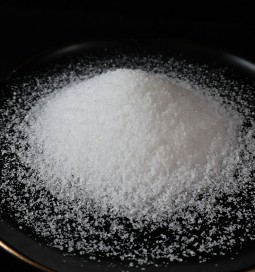
With the development of industries such as water treatment, sewage purification, mining, papermaking, petroleum extraction, textiles, and chemicals, an increasing number of enterprises are utilizing various water treatment agents. Among these, polyacrylamide—commonly referred to as PAM—is a polymer material with a wide range of applications.
Given its frequent use in sewage treatment and industrial production, concerns may arise regarding its potential impact on human health, the environment, or water bodies. In reality, assessing the safety of polyacrylamide cannot be reduced to a simple "absolutely safe" or "completely harmful" verdict. Factors such as product composition, purity, residual monomer content, usage methods, exposure pathways, and specific application scenarios all influence safety evaluations.
In general, polyacrylamide products that meet relevant quality standards and are stored and used correctly can be safely employed in industrial and water treatment sectors. However, strict adherence to product safety data, operational protocols, and relevant industry regulations remains essential during production, transportation, preparation, and application.
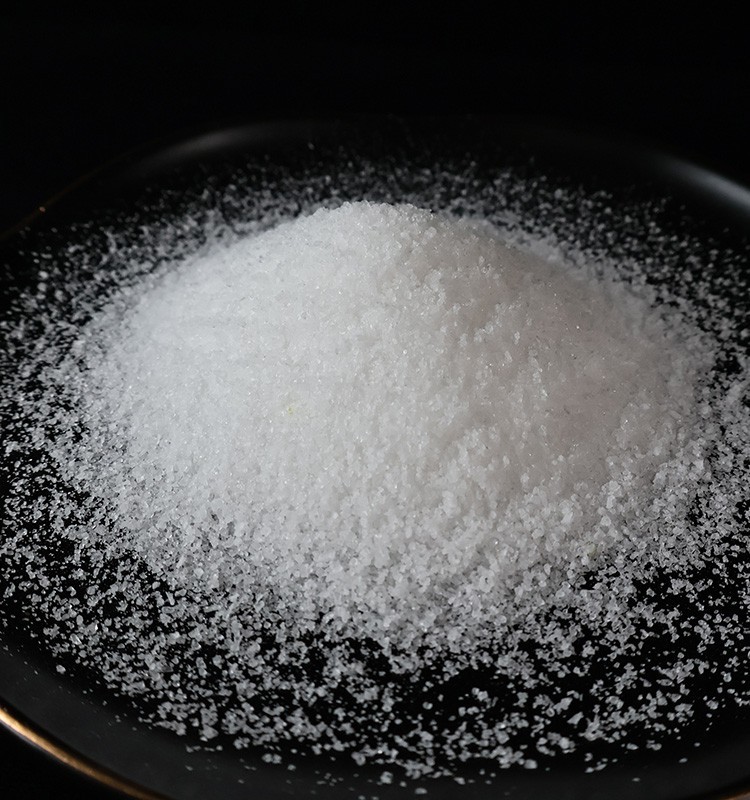
Polyacrylamide is a class of polymer materials derived from acrylamide.
Depending on their ionic nature and intended use, polyacrylamide products are typically categorized into various types, such as non-ionic, anionic, cationic, and amphoteric polyacrylamides.
These different types of PAM vary in terms of molecular structure, charge characteristics, and application areas. For instance, in sewage treatment, polyacrylamide serves as a flocculant or coagulant aid, facilitating the aggregation of suspended particles in water and thereby enhancing solid-liquid separation efficiency.
When discussing the safety of polyacrylamide, it is important to distinguish between the polyacrylamide polymer itself and any residual substances that may be present from the production process. Polyacrylamide is a high-molecular-weight polymer; its properties differ significantly from those of the small-molecule monomer, acrylamide.
If production controls are inadequate, or if the product contains non-compliant levels of residual monomers or other impurities, its suitability for specific applications and its safety profile may be compromised. Therefore, when selecting polyacrylamide, one should not look solely at the product name but also consider factors such as product type, purity, manufacturing process, applicable industries, product safety data, supplier quality control, and relevant metrics like residual monomer content.
Quality requirements for the product may vary depending on the application—such as industrial wastewater treatment, mining, papermaking, or scenarios involving specific water quality standards.
One of the key roles of polyacrylamide in water treatment is promoting flocculation. Water often contains large numbers of tiny suspended particles; due to their small size, they may not settle quickly through simple sedimentation. When the appropriate type of polyacrylamide is selected and dosed correctly, it helps these particles aggregate into larger flocs. As the particles clump together, the efficiency of subsequent processes—such as sedimentation, filtration, or dewatering—can be improved.
For instance, in industrial wastewater treatment, PAM can be used alongside other treatment processes to facilitate solid-liquid separation, improve sedimentation, enhance sludge dewatering efficiency, reduce suspended solids, and boost the efficiency of downstream treatment steps.
The safety of any industrial chemical or material must be assessed in the context of actual exposure. During normal industrial use of polyacrylamide, unnecessary direct contact should be avoided, and appropriate protective measures should be taken in accordance with product safety instructions. Powdered polyacrylamide can generate dust during handling, so workers should take care to avoid inhaling large amounts of dust.
Contact with the skin or eyes may cause discomfort or irritation; therefore, operations should be conducted in compliance with workplace safety protocols.
In practice, workers should adopt appropriate protective measures based on the specific product's safety data—such as maintaining a clean operating environment, preventing dust dispersion, and using suitable personal protective equipment (PPE) as required by the job.
From an application perspective, different types of polyacrylamide possess distinct ionic characteristics and ranges of use.
Anionic polyacrylamide is typically suitable for certain industrial wastewater treatment, mining, and solid-liquid separation applications. Cationic polyacrylamide is commonly used in specific sludge and organic wastewater treatment processes, while non-ionic polyacrylamide is suitable for specific water quality conditions. Although they all belong to the polyacrylamide family, their specific formulations and usage requirements may differ. Cationic products, in particular, possess distinct functional groups; therefore, selecting the appropriate application method based on product specifications is crucial during actual operations.
Consequently, one cannot simply assume that all PAM products are interchangeable. Selecting the wrong type may not only compromise treatment efficiency but also lead to a waste of chemicals. The most prudent approach is to conduct tests based on actual water quality and select a product that aligns with the specific treatment process.
Assessing the environmental impact of polyacrylamide requires considering factors such as product type, dosage, discharge method, and the specific application scenario.
No water treatment chemical should be discharged indiscriminately during industrial production.
Even if a material poses low direct risk, it must still be managed in compliance with relevant environmental regulations. In water treatment, polyacrylamide typically facilitates flocculation and solid-liquid separation; the resulting sludge or by-products require further handling based on their actual pollutant composition. For instance, if the raw sewage contains heavy metals, organic pollutants, or other hazardous substances, the generated sludge may still be subject to specific environmental management requirements.
Therefore, the use of polyacrylamide does not imply that the resulting sludge can be disposed of arbitrarily.
For enterprises, a more scientific approach involves managing the entire treatment workflow, including chemical selection, dosing, sewage treatment, sludge processing, and final discharge or disposal. Environmental risks can only be effectively controlled when the entire water treatment system operates correctly.
Different water qualities require PAM products with specific ionic characteristics and performance properties.
Polyacrylamide is a high-molecular-weight polymer; improper handling—such as clumping or incomplete dissolution—can impair its effectiveness. In practice, preparation should strictly follow technical guidelines, avoiding arbitrary concentration increases or excessive dosing.
Insufficient dosage may fail to form ideal flocs, while excessive dosage can impair downstream treatment performance and increase chemical costs. Therefore, enterprises typically need to determine the appropriate dosage range through experiments or actual operational data.
Polyacrylamide products should generally be stored in a dry, suitable environment, ensuring packaging remains intact and protected from moisture. For prepared solutions, usage timing should be scheduled appropriately based on product characteristics and process requirements.
(1) Personnel should be familiar with the safety instructions for the specific product. Different products may have distinct requirements for storage, transportation, and use.
(2) Minimize dust generation when handling powder products. Maintaining a good operating environment helps reduce unnecessary exposure.
(3) Prevent the product from entering unsuitable areas; for example, chemical storage areas should be properly managed to avoid co-storage with food or other unrelated items.
(4) In the event of a spill, handle the situation according to the product's safety data sheet and on-site management protocols.
(5) Enterprises should establish a comprehensive chemical management system covering procurement, storage, requisition, preparation, dosing, and waste management. Standardized management not only improves chemical usage efficiency but also reduces the likelihood of operational issues.
Establishing a safety management system is crucial for enterprises that use polyacrylamide over the long term.
Enterprises can develop standard operating procedures (SOPs) tailored to their production scale.
(1) Upon delivery, inspect the condition of the packaging and product labels.
(2) During storage, protect powder products from moisture.
(3) Follow established process procedures during preparation.
(4) Personnel should receive necessary job-specific training to understand the product's basic properties and operational requirements. Additionally, enterprises should maintain relevant product documentation for easy reference when needed.
Standardized management practices not only help improve production efficiency but also reduce chemical waste caused by improper handling. With the continuous advancement of water treatment and polymer material technologies, polyacrylamide will continue to play a vital role in areas such as wastewater treatment, industrial production, and resource utilization. For enterprises, selecting products of consistent quality, establishing scientifically sound usage procedures, and applying the material appropriately based on actual water quality and process requirements constitute the essential foundation for enhancing treatment efficiency, controlling costs, and ensuring safe production.

 E-mail:jcl@jichanglong.com
 WhatsApp:+8618560709619
 Address:Block B, Polymer Materials Industry Innovation Park,No. 51, Lutai Avenue, High-tech Zone, Zibo City, Shandong Province
China vanadium inhibitors manufacturer Shandong Jichanglong Environmental Engineering Co., Ltd.
Jichanglong specializes in vanadium inhibitor , dehumidification and drying block, calcium hypochlorite disinfectant tablets, polyacrylamide and other products. With over 20 years of experience, we offer quality assurance and wholesale prices.