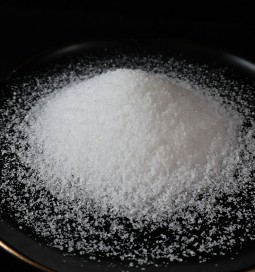
In modern industrial systems, continuous advancements in materials science provide robust technical support for development across various industries. Among these, polyacrylamide (PAM), a polymeric chemical material, is widely utilized across multiple industries—including wastewater treatment, oil extraction, papermaking, mineral processing, agricultural soil improvement, textile printing and dyeing, and construction auxiliary materials—due to its outstanding flocculation properties, thickening characteristics, and filtration-enhancing capabilities. As global demands for environmental governance and industrial upgrading intensify, the significance of polyacrylamide has become increasingly prominent, establishing it as an indispensable foundational material across numerous industries. This article comprehensively analyzes the applications of polyacrylamide from aspects including its mechanism of action, primary uses, industry-specific applications, performance advantages, and development trends.
Polyacrylamide is a high molecular weight linear polymer synthesized from acrylamide monomers. Based on ionic characteristics, it is classified into:
- Anionic PAM;
- Cationic PAM;
- Nonionic PAM;
- Amphoteric PAM.
Its primary characteristics include:
- Strong flocculation: Rapidly adsorbs suspended solids, causing them to aggregate into larger particles and settle.
- High thickening capacity: Achieves significant viscosity enhancement even at low concentrations.
- Filtration aid: Reduces filtration resistance and improves solid-liquid separation efficiency.
- High biochemical stability: Resistant to temperature, salt concentration, and shear stress.
- Low dosage with high efficacy: Most industries require only tens to hundreds of ppm.
These properties establish PAM as one of the most critical organic polymer flocculants in modern industrial processing.
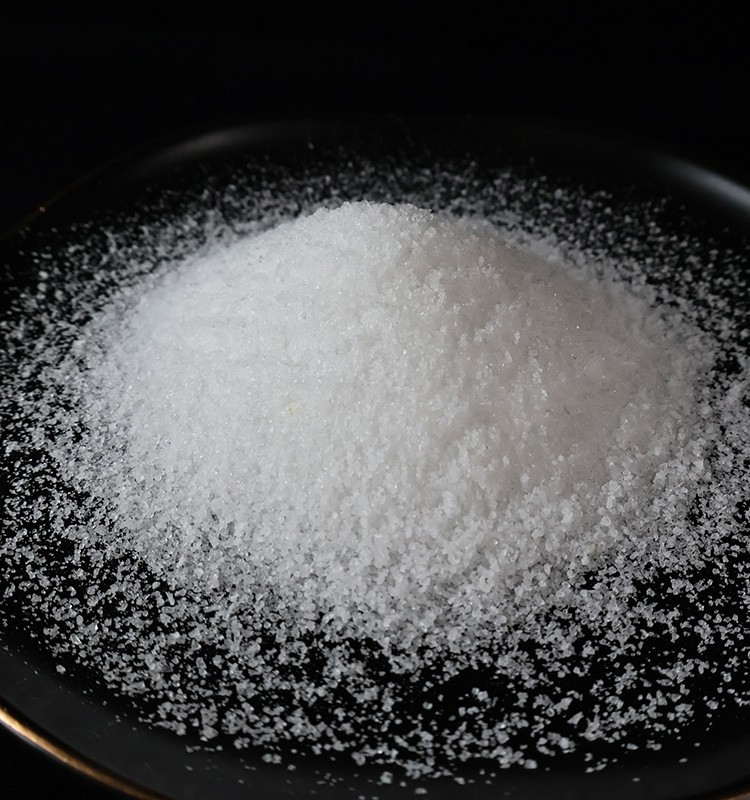
In wastewater treatment, polyacrylamide is primarily used for flocculation, sedimentation, and dewatering, serving as a key chemical in municipal sewage and industrial effluent treatment.
- Primary Application Scenarios: Municipal domestic sewage treatment plants; wastewater from steel, chemical, electroplating, food processing, aquaculture, papermaking, sand washing, and mineral washing industries.
- Core Functions: Rapidly aggregates suspended particles into flocs, accelerates solid-liquid separation, enhances sludge dewatering efficiency, and reduces COD, SS, BOD, and other indicators.
Anionic PAM is suitable for inorganic wastewater, while cationic PAM is ideal for organic wastewater and sludge dewatering.
In oilfield operations, PAM serves as a critical chemical additive, primarily functioning in:
- Tertiary Oil Recovery (Polymer Flooding): Significantly increases injected water viscosity, improves oil displacement efficiency, facilitates crude oil expulsion from reservoirs, and boosts recovery rates.
- Drilling fluid and completion fluid conditioner: Stabilizes drilling fluid systems, adjusts fluid viscosity, reduces fluid loss, and prevents wellbore collapse.
- Fracturing fluid thickener: Enhances sand-carrying capacity for improved fracturing efficiency.
Polyacrylamide serves irreplaceable functions in papermaking:
Primary roles include: acting as a dry strength agent to enhance paper tensile strength; functioning as a retention aid to improve retention of fine fibers and fillers; improving pulp drainage properties to accelerate dewatering; and enhancing paper uniformity and brightness.
Different ionic types of PAM are selected based on pulp characteristics, offering low usage costs and significant effects.
In pulp separation processes, PAM is primarily used for: tailings sedimentation, pulp clarification, solid-liquid separation, and sand washing wastewater treatment.
Commonly applied in coal mining, metal ores (copper, iron), and non-metallic minerals (quartz sand). Its advantages include rapid sedimentation rates, low treatment costs, and strong compatibility.
In agriculture, polyacrylamide improves soil structure.
Primary functions: enhances soil cohesion, reduces soil erosion, increases water retention capacity, improves root environment for crops, and demonstrates significant efficacy in restoring and managing desertified land. PAM also minimizes pesticide and fertilizer runoff during rainfall, enhancing utilization rates.
In textile processing, polyacrylamide is commonly used for: yarn sizing to enhance strength and flexibility; as a thickener and dispersant; improving dyeing uniformity; and promoting auxiliary penetration. It features high sizing efficiency, non-toxicity, environmental friendliness, and low residue.
In construction projects, polyacrylamide primarily serves as: a mud stabilizer for tunnel and foundation construction, a reinforcement for diaphragm wall construction, an agent to enhance soil permeability, and a concrete admixture to improve workability and water retention. Particularly in shield tunneling, PAM is an indispensable mud modifier.
Although PAM itself does not enter food products, it serves as an auxiliary material in certain processes: sucrose refining, as a filter aid in pharmaceutical manufacturing, and for sedimentation and clarification before beverage processing. In all cases, ensuring the product meets food-grade standards is mandatory.
- Suitable for: Municipal sewage, mineral washing, sand washing, metallurgy, oil extraction, papermaking, etc.
- Functions: Flocculation, sedimentation, filtration aid.
- Suitable for: Domestic sludge, chemical sludge, slaughterhouse wastewater, pharmaceutical wastewater.
- Functions: Sludge dewatering, moisture content reduction, and filtration efficiency enhancement.
- Suitable for: Acidic wastewater, mining, and textile industries.
- Functions: Dispersion, thickening, and stabilization.
- Suitable for: High-salinity wastewater and complex water qualities.
- Functions: Strong adsorption capacity, excellent salt tolerance.
(1) Low dosage, rapid effect: Achieves rapid flocculation and sedimentation at just several mg/L.
(2) Cost-effective: Requires less dosage and delivers stronger effects compared to inorganic flocculants.
(3) Eco-friendly and safe: Heavy metal-free, biodegradable, compliant with environmental standards.
(4) Versatile water adaptability: Effective in acidic, neutral, and alkaline water environments.
(5) Industrial efficiency enhancement: Increases wastewater treatment capacity, boosts oil recovery rates, improves paper quality, and accelerates mineral slurry settling.
Industry analysis indicates the following trends in the global polyacrylamide market:
(1) Rising municipal wastewater treatment demand: Environmental governance initiatives drive continuous PAM consumption growth.
(2) Stable oilfield chemical demand: Strong demand from Middle Eastern, North American, and Asian oilfields.
(3) Increased demand for high-efficiency flocculants in papermaking and mining: Energy conservation and emission reduction drive market share growth for premium PAM.
(4) China emerges as the world's largest production base: Large-scale production, low costs, mature technology, and steadily rising exports.
As a high-performance polymer material, polyacrylamide plays a critical role in wastewater treatment, oil extraction, papermaking, mineral processing, and other industries. With heightened environmental standards and continuous industrial technology upgrades, PAM's market demand will maintain steady growth, delivering deeper value across expanding applications. Whether for corporate procurement, project development, or international trade promotion, a thorough understanding of polyacrylamide's uses and advantages will help navigate industry trends and achieve more efficient, eco-friendly process solutions.

 E-mail:jcl@jichanglong.com
 WhatsApp:+8618560709619
 Address:Block B, Polymer Materials Industry Innovation Park,No. 51, Lutai Avenue, High-tech Zone, Zibo City, Shandong Province
China vanadium inhibitors manufacturer Shandong Jichanglong Environmental Engineering Co., Ltd.
Jichanglong specializes in vanadium inhibitor , dehumidification and drying block, calcium hypochlorite disinfectant tablets, polyacrylamide and other products. With over 20 years of experience, we offer quality assurance and wholesale prices.