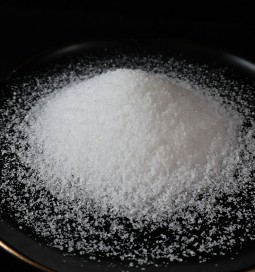
Polyacrylamide is a polymer widely used across multiple industries including water treatment, petroleum extraction, and food processing. In recent years, its applications in the medical field have garnered increasing attention, establishing it as a key material in the biomedical sector. Owing to its excellent biocompatibility, chemical stability, and tunable physicochemical properties, polyacrylamide demonstrates immense potential in drug delivery, tissue engineering, medical diagnostics, and neurological disease treatment. This article will thoroughly explore polyacrylamide's diverse medical applications, advantages, and challenges.
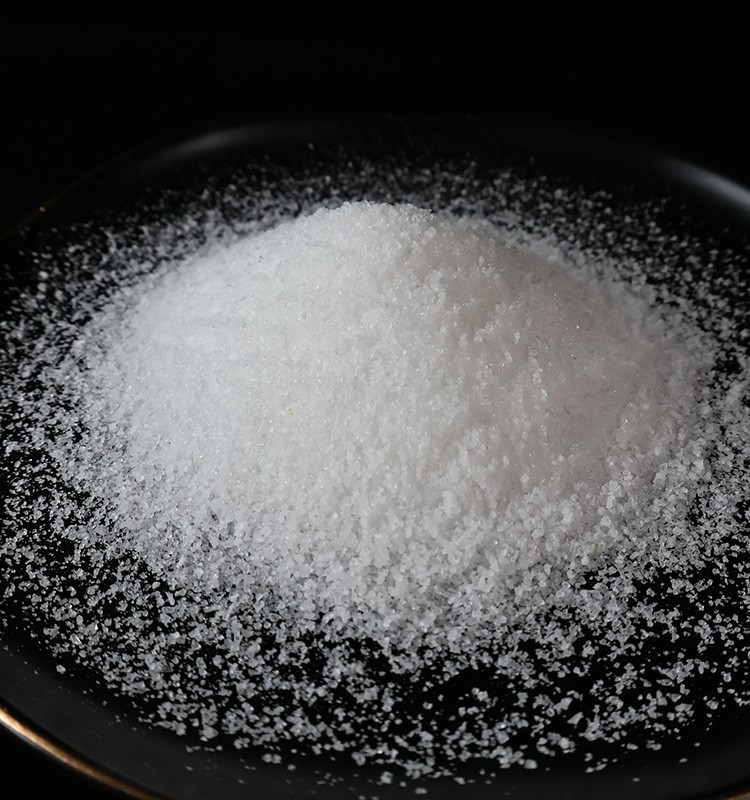
Polyacrylamide is a polymeric material synthesized through the polymerization of acrylamide monomers. Its molecular structure contains amino and amide groups, which confer excellent water solubility and biocompatibility. The molecular weight and crosslinking degree of polyacrylamide are adjustable, enabling it to exhibit distinct performance characteristics across different applications. Higher molecular weight reduces solubility but enhances film-forming and reinforcing properties. In medical applications, this adjustability makes polyacrylamide widely applicable in drug delivery, tissue engineering, and wound repair.
As a drug-carrying material, polyacrylamide is extensively used in drug delivery systems, demonstrating significant advantages particularly in targeted therapy. By adjusting its structural properties, it can control drug release rates and mechanisms, enabling precise therapeutic effects.
- Nanoparticle Drug Delivery: By modifying crosslinking density and molecular weight, polyacrylamide forms nanoparticles of varying sizes, enhancing drug solubility and bioavailability.
- Targeting Capabilities: Targeting molecules (e.g., antibodies, receptors) can be incorporated into polyacrylamide chains, enabling selective drug accumulation at tumor cells or pathological sites. This minimizes damage to healthy cells while enhancing therapeutic efficacy.
Polyacrylamide finds extensive applications in tissue engineering, particularly in cell culture and tissue repair. Its unique physicochemical properties make it an ideal material for constructing artificial tissues and organs.
- Cell Culture Scaffolds: Polyacrylamide serves as a scaffold material for cell culture, optimizing cell adhesion and growth environments while promoting cell differentiation and proliferation.
- Artificial Skin and Wound Repair: Due to its excellent mechanical strength and biodegradability, polyacrylamide-based scaffolds can be used for constructing artificial skin or promoting wound healing.
The potential of polyacrylamide in treating neurological disorders continues to be explored, showing promising prospects particularly in cerebrovascular diseases and neuroprotection.
- Drug Delivery for Cerebrovascular Diseases: Polyacrylamide can cross the blood-brain barrier, enabling targeted delivery of brain-specific medications such as anticancer agents or anticoagulants.
- Neuroprotection: Polyacrylamide-based materials can modulate the growth environment of neural cells, reducing nerve damage and promoting nerve regeneration.
The biocompatibility and tunable properties of polyacrylamide enable its extensive use in clinical diagnostics, particularly in preparing in vitro diagnostic reagents and analyzing biomolecules.
- Electrophoresis technology: Polyacrylamide gel electrophoresis (PAGE) is widely used for protein separation, DNA analysis, and virus detection. Its high resolution and tunable nature make it a key technique for biomolecular analysis.
- Diagnostic Reagents: As a carrier, polyacrylamide enhances the stability of diagnostic reagents and improves detection sensitivity.
With the advancement of smart medical technology, polyacrylamide shows increasingly broad application prospects in medical dressings and biosensors.
- Sensors: Polyacrylamide can be combined with conductive materials to serve as flexible sensor substrates, widely applied in fields such as cardiac monitoring and blood glucose detection for diabetic patients.
- Wound Dressings: Polyacrylamide-based materials in wound dressings provide excellent gas permeability and comfort, promoting wound healing.
Polyacrylamide exhibits excellent biocompatibility, effectively integrating with human tissues and cells while minimizing immune and rejection responses. Consequently, it finds extensive application across multiple medical fields including drug delivery, tissue engineering, and wound repair.
The physicochemical properties of polyacrylamide can be precisely tailored by modifying its molecular weight, crosslinking degree, and chemical functional groups to meet diverse medical application requirements. For instance, controlling crosslinking degree and solubility allows precise regulation of drug release rates, while adjusting porosity and mechanical strength in tissue engineering optimizes cellular growth environments.
Polyacrylamide exhibits excellent water solubility, forming polymer solutions in aqueous media. This property enables its extensive use in in vitro diagnostics, electrophoresis analysis, and related fields.
Polyacrylamide possesses biodegradability. The degradation products formed within the body do not cause toxic reactions, making it an ideal biomaterial.
Despite its broad potential in medicine, polyacrylamide faces challenges in clinical adoption. First, as a polymeric material, polyacrylamide may induce toxic reactions or trigger excessive immune responses under certain conditions. Second, its long-term biodegradability and metabolic pathways require further investigation to ensure in vivo safety. Future advancements in nanotechnology, smart materials, and bioengineering will expand polyacrylamide's medical applications. Scientists are actively working to modify polyacrylamide structures, enhancing its biodegradability, targeting capabilities, and drug-loading capacity to meet increasingly complex medical demands.
As a polymer material with broad application potential, polyacrylamide's role in medicine is gaining increasing attention. From drug delivery to tissue engineering, and from medical imaging to wound repair, polyacrylamide demonstrates immense application value. As research deepens, its medical applications will mature, offering patients more efficient and safer treatment options. However, overcoming challenges related to its biodegradability and toxicity requires ongoing scientific exploration and innovation.

 E-mail:jcl@jichanglong.com
 WhatsApp:+8618560709619
 Address:Block B, Polymer Materials Industry Innovation Park,No. 51, Lutai Avenue, High-tech Zone, Zibo City, Shandong Province
China vanadium inhibitors manufacturer Shandong Jichanglong Environmental Engineering Co., Ltd.
Jichanglong specializes in vanadium inhibitor , dehumidification and drying block, calcium hypochlorite disinfectant tablets, polyacrylamide and other products. With over 20 years of experience, we offer quality assurance and wholesale prices.