Green pools are one of the most common problems encountered by pool managers. When pool water turns from clear to green, it often signals an imbalance in the water quality system. This phenomenon is commonly seen in private pools, hotel pools, and even public swimming pools. Many people ask: Can flocculants clear green pools? The answer isn't a simple “yes” or “no”—it depends on the actual water conditions, how the flocculant is applied, and whether it's combined with other treatment measures. To answer this, we need to understand why green pools form, how flocculants work, and how to use them correctly to clear green pools.
The most common cause of green pool water is rapid algae growth. When algae proliferate in large numbers, the water color shifts from clear to green, yellow-green, or even deep green. Factors contributing to algae growth include:
(1) Insufficient or ineffective disinfectant: Low free chlorine levels in pool water fail to suppress algae and microbial growth, leading to rapid algae proliferation.
(2) High temperatures and strong sunlight: Especially in summer, warm weather and abundant sunlight create ideal conditions for algae growth, particularly noticeable in outdoor pools.
(3) Reduced efficiency of circulation and filtration systems: If the filtration system becomes clogged or operates insufficiently, tiny algae particles remain suspended in the water for extended periods without being effectively removed.
(4) Imbalanced Water Chemistry: Issues like excessively high or low pH levels, or imbalanced alkalinity, weaken disinfectant effectiveness and indirectly promote algae growth.
Therefore, the essence of a green pool lies in the presence of numerous microscopic algae and particulates suspended in the water, rather than “dirt” or “impurities.” Algae distribute in water as colloidal or suspended particles, often invisible to the naked eye, yet these minute particles cause water turbidity.
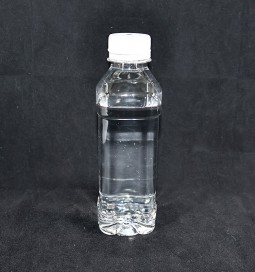
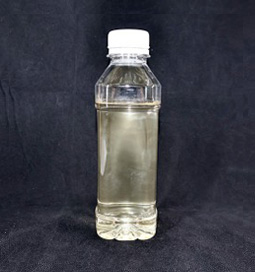
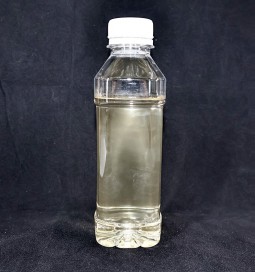
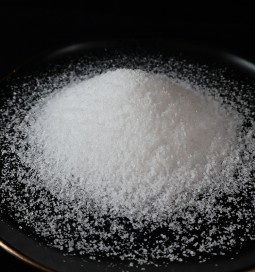
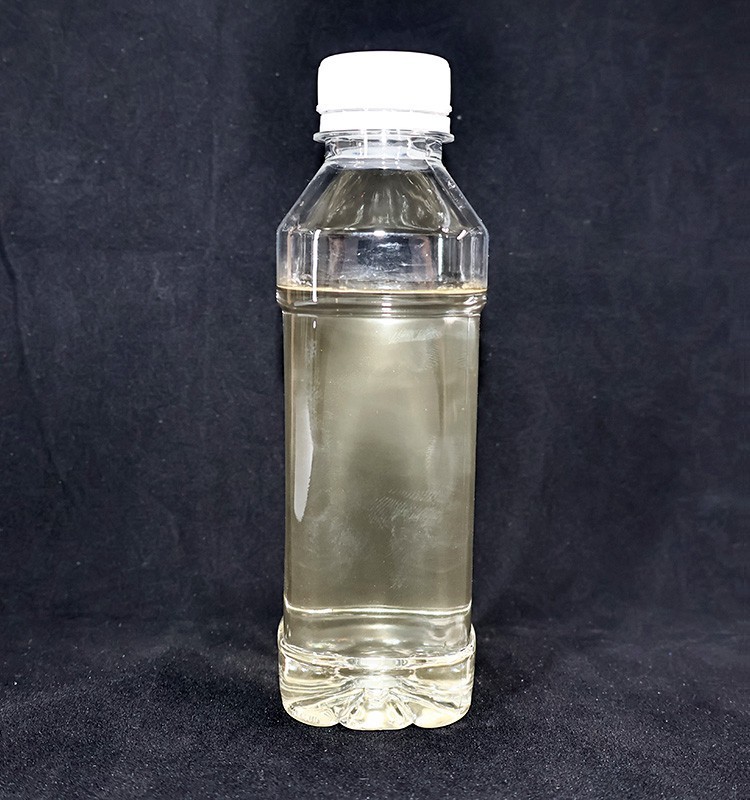
Flocculants are water treatment chemicals that aggregate, settle, or trap minute suspended particles in water for filtration. Common pool water treatment flocculants include polyaluminum chloride and polyacrylamide. They work by chemically aggregating fine particles into larger flocs, facilitating easier settling or removal through filtration systems.
Flocculants aid water purification through the following mechanisms:
- Neutralizing particle surface charges: Suspended particles in water typically carry charges that prevent them from binding. Flocculants neutralize these charges, facilitating aggregation.
- Adsorption and bridging: Flocculant molecules adsorb multiple tiny particles and link them together through bridging, forming larger aggregates that accelerate settling.
- Accelerated settling or capture: These larger flocs settle more rapidly and can be easily captured by filtration systems, removing impurities from the water.
It's important to note that flocculants lack the ability to kill algae or other microorganisms. Their function is to “remove” rather than “eliminate.” Therefore, if algae remain active in the pool, using flocculants alone may not fully resolve green pool issues. Flocculants merely aggregate and remove algae without directly affecting their survival or reproduction.
Under appropriate conditions, flocculants can effectively assist in clearing green pools—provided they are used correctly and in conjunction with other treatment steps. Specifically, flocculants function in the following ways:
- Light green or cloudy pools: When water appears light green and cloudy but the pool bottom remains visible, it indicates fine suspended algae particles. Flocculants can rapidly aggregate these particles into larger flocs, facilitating settling or filtration capture.
- Normal filtration system operation: Even with a properly functioning filtration system, minute algae particles may still pass through sand filters or filter cartridges. Flocculants increase the size of these particles, enhancing their capture efficiency.
- Rapid clarification: When a pool needs to be restored for use within a short timeframe, flocculants can serve as an auxiliary measure to accelerate water quality recovery.
- Deep green pools: If pool water has turned deep green or shows visible algae growth on walls, flocculants alone will have limited effectiveness. In such cases, disinfection to kill algae must occur first, followed by flocculant use to remove suspended particles.
First, use chlorine-based disinfectants or other algaecides to increase the effective chlorine concentration in the pool, inhibiting algae growth and reproduction. Shock disinfection effectively eliminates algae in the water and prevents their regrowth.
Adjust the pool water's pH to the appropriate range (typically 7.2-7.6) to ensure optimal flocculant effectiveness. pH levels that are too high or too low can impair flocculant performance.
Add the flocculant according to the recommended dosage specified in the product instructions. Overdosing not only wastes chemicals but may also cause secondary cloudiness.
After adding flocculant, run the pump for a short circulation period to allow thorough contact between the flocculant and suspended particles. Then stop the pump and let the water settle for a period to allow flocs to sink to the pool bottom.
Use vacuum equipment or filtration to remove sediment from the pool bottom. Ensure all sediment is thoroughly cleaned to prevent it from being resuspended.
Proper execution of steps is critical for flocculants to function effectively.
(1) Perform initial disinfection: Inhibit algae activity and prevent further growth by increasing free chlorine concentration or performing shock disinfection.
(2) Adjust water balance: Set pH to the appropriate range to ensure smooth flocculation.
(3) Add flocculant at recommended dosage: Overdosing wastes chemicals and may cause secondary cloudiness.
(4) Stop pumps after short circulation: Allow water to settle, enabling flocs to fully sink to the pool bottom.
(5) Manually vacuum or filter out sediment: This critical step prevents resuspension of settled debris.
Following these steps, many green pools can regain clarity within a short timeframe.
In practice, certain incorrect usage methods can reduce effectiveness or even worsen the problem.
Common misconceptions include:
- Using flocculants without disinfection: Relying solely on flocculants to clear a green pool without disinfection will likely cause the algae problem to recur.
- Arbitrarily increasing dosage: Overusing flocculants may cause secondary cloudiness, complicating subsequent cleanup.
- Failing to promptly remove settled particles: If sediment isn't cleared in time, it can resuspend in the water, causing renewed cloudiness.
These practices not only fail to resolve green water issues completely but may also increase future maintenance challenges.
Flocculants can indeed play a crucial role in clearing green pools, especially when water appears light green or yellowish-green. They effectively aggregate suspended algae and particles, accelerating their removal. However, flocculants are not a panacea; they cannot eliminate algae and must be used in conjunction with disinfection and algicide treatments. When applied through proper procedures, flocculants can restore pool clarity relatively quickly. Yet, relying solely on flocculants is inadvisable. A scientific, systematic water management plan is the fundamental solution to green pool issues.

 E-mail:jcl@jichanglong.com
 WhatsApp:+8618560709619
 Address:Block B, Polymer Materials Industry Innovation Park,No. 51, Lutai Avenue, High-tech Zone, Zibo City, Shandong Province
China vanadium inhibitors manufacturer Shandong Jichanglong Environmental Engineering Co., Ltd.
Jichanglong specializes in vanadium inhibitor , dehumidification and drying block, calcium hypochlorite disinfectant tablets, polyacrylamide and other products. With over 20 years of experience, we offer quality assurance and wholesale prices.