With the rapid development of global industries such as water treatment, mining, oil extraction, papermaking, textiles, and chemicals, the demand for high-efficiency, eco-friendly polymer materials continues to grow. As one of the most widely used water-soluble polymers, polyacrylamide (PAM) plays a vital role in modern industrial production and environmental protection, thanks to its excellent flocculation, thickening, and binding properties, as well as its high water solubility. This article provides a detailed overview of polyacrylamide—covering its key characteristics, performance advantages, application features, influencing factors, and future trends—to help readers gain a comprehensive understanding of this important polymer material.
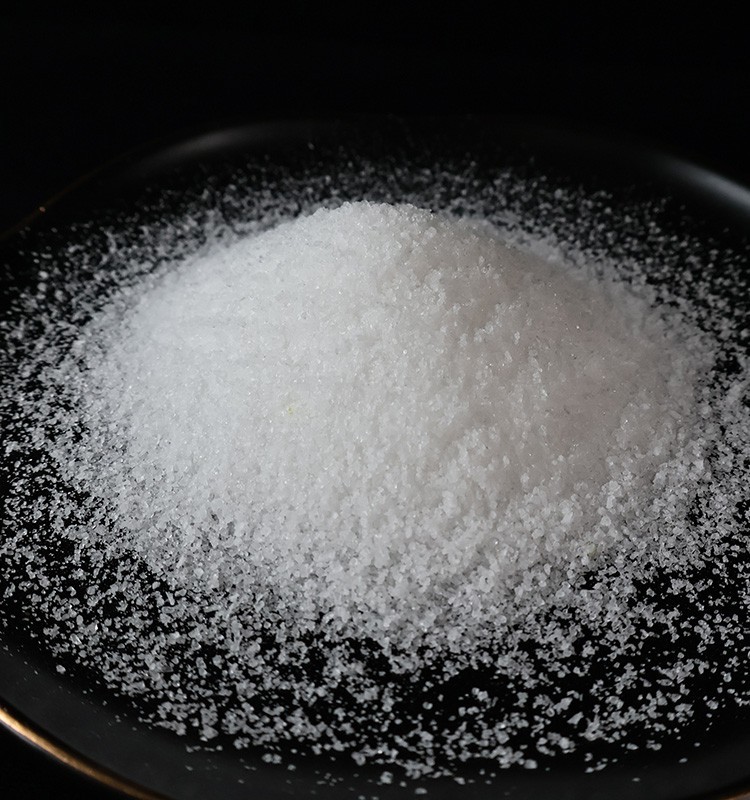
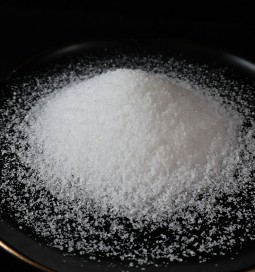
Polyacrylamide is a polymer formed through the polymerization of acrylamide monomers. It typically appears as white granules or powder and possesses excellent water solubility.
Based on ionic characteristics, polyacrylamide is primarily classified into four types: Anionic PAM, Cationic PAM, Nonionic PAM, and Amphoteric PAM. Different types are suited to various industrial environments, such as wastewater treatment, mineral separation, the paper industry, oil extraction, and construction engineering.
Due to its long molecular chains and high molecular weight, polyacrylamide can form extensive molecular networks in water, increasing liquid viscosity and promoting the rapid aggregation and sedimentation of suspended particles.
Water solubility is one of polyacrylamide's most important characteristics. It dissolves rapidly in water, forming a uniform, transparent, or translucent polymer solution.
This excellent solubility offers several advantages: convenient preparation, ease of use, simple transport, uniform dispersion within the treatment system, and effective flocculation performance.
However, in practical application, proper dissolution methods must be followed. Adding a large amount at once can cause clumping, which impairs performance. It is generally recommended to add the material slowly while stirring continuously to ensure the polyacrylamide dissolves completely.
Flocculation performance is the most critical application characteristic of polyacrylamide and the primary reason for its widespread use in the water treatment industry.
When polyacrylamide is added to a liquid containing suspended particles, its long polymer chains—through an adsorption-bridging mechanism—link dispersed small particles into larger flocs. These larger particles settle more rapidly, thereby significantly enhancing solid-liquid separation efficiency.
In wastewater treatment processes, polyacrylamide aids in the removal of silt and sand particles, organic suspended matter, inorganic particles, and certain colloidal substances. Consequently, it is extensively utilized in municipal sewage treatment, industrial wastewater treatment, and drinking water purification.
Polyacrylamide is a high-molecular-weight polymer; its molecular weight can reach millions or even tens of millions. A high molecular weight implies:
Stronger adsorption capacity; superior bridging effects; higher flocculation efficiency; and enhanced thickening performance. Different application fields have varying requirements regarding molecular weight. For instance, wastewater treatment typically requires products with high molecular weights, whereas certain specialized industries select specific product grades based on process requirements. Therefore, enterprises should make informed choices based on specific operating conditions when purchasing polyacrylamide.
Polyacrylamide serves not only as a flocculant but also as a high-performance thickening agent. Adding an appropriate amount of polyacrylamide significantly increases liquid viscosity and stabilizes the system. This property is widely applied across various sectors, including oil drilling fluids, construction materials, the paper industry, chemical manufacturing, and the coatings industry. By improving the rheological properties of the liquid, it enhances production efficiency and improves product processability.
Adsorption-bridging is a key mechanism by which polyacrylamide functions. Due to their long molecular chains, the polymers can simultaneously adsorb onto the surfaces of multiple particles, linking previously dispersed particles together. This action serves to increase settling speeds, improve filtration efficiency, reduce chemical consumption, and enhance overall treatment effectiveness. Therefore, polyacrylamide plays a significant role in processes such as mineral processing, coal slime dewatering, and tailings treatment.
Under proper storage conditions, polyacrylamide demonstrates excellent chemical stability. It should generally be stored in a cool, dry warehouse, away from direct sunlight and moisture; maintaining good storage conditions helps preserve the product's performance. However, it is recommended to use prepared polyacrylamide solutions as soon as possible to ensure optimal performance.
(1) Water treatment industry: Used for municipal sewage treatment, industrial wastewater treatment, tap water purification, etc.
(2) Petroleum industry: Used in drilling fluids, enhanced oil recovery (EOR), and oilfield wastewater treatment.
(3) Paper industry: Increases paper strength and improves pulp dewatering performance.
(4) Mining industry: Promotes slurry sedimentation and enhances solid-liquid separation efficiency.
(5) Construction industry: Improves cement slurry properties and enhances construction results.
Due to the wide variety of product types available, the appropriate grade can be selected based on specific water quality and process conditions.
Compared to some traditional treatment agents, polyacrylamide offers higher efficiency. Excellent treatment results can usually be achieved with relatively low dosage rates. Proper use can improve treatment efficiency, reduce operating costs, minimize sludge generation, and enhance equipment operational stability. Naturally, the optimal dosage for specific projects should be determined through testing to strike a balance between cost-effectiveness and treatment performance.
(1) Water quality conditions: Suspended solid content, pH levels, and ionic composition in the water can all influence performance.
(2) Molecular weight: Products with different molecular weights are suitable for different processes.
(3) Ionic type: Anionic, cationic, and non-ionic products are suitable for different treatment applications.
(4) Preparation concentration: Concentrations that are too high or too low may affect flocculation performance.
(5) Agitation method: Vigorous shearing should be avoided during dissolution and mixing to prevent damaging the polymer chain structure.
As a significant polymer material in modern industry, polyacrylamide is characterized by excellent water solubility, superior flocculation performance, high molecular weight, effective thickening capabilities, strong adsorption-bridging effects, and broad industrial applicability. Thanks to these outstanding attributes, it is widely used in sectors such as wastewater treatment, mining, the petroleum industry, papermaking, construction, and chemical manufacturing, playing a pivotal role in enhancing production efficiency, reducing operating costs, and improving environmental management.
Looking ahead, driven by continuous advancements in environmental protection and polymer material technologies, polyacrylamide will evolve toward high performance, eco-friendliness, smart applications, and customization, thereby providing increasingly efficient and reliable solutions for global industrial production and ecological conservation.

 E-mail:jcl@jichanglong.com
 WhatsApp:+8618560709619
 Address:Block B, Polymer Materials Industry Innovation Park,No. 51, Lutai Avenue, High-tech Zone, Zibo City, Shandong Province
China vanadium inhibitors manufacturer Shandong Jichanglong Environmental Engineering Co., Ltd.
Jichanglong specializes in vanadium inhibitor , dehumidification and drying block, calcium hypochlorite disinfectant tablets, polyacrylamide and other products. With over 20 years of experience, we offer quality assurance and wholesale prices.