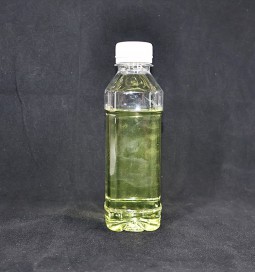
With the continuous advancement of industrialization and urbanization, water resource conservation and water treatment technologies have become critical global concerns. In recirculating cooling water systems, reverse osmosis systems, industrial boilers, wastewater treatment plants, and drinking water treatment processes, microbial contamination remains a major factor affecting water quality safety and the stable operation of equipment. Bacteria, fungi, algae, and other microorganisms not only degrade water quality but can also form biofilms, leading to equipment blockages, accelerated corrosion, reduced operational efficiency, and even disruptions to the normal operation of the entire production system.
To effectively control microbial growth and reproduction, biocides are widely used in various water treatment systems. Biocides can inhibit or eliminate harmful microorganisms in water, maintain a healthy water environment, improve equipment operational efficiency, and extend the service life of the system. As a result, they have become indispensable chemicals in modern industrial circulating water treatment, reverse osmosis system maintenance, cooling tower management, and wastewater treatment processes.
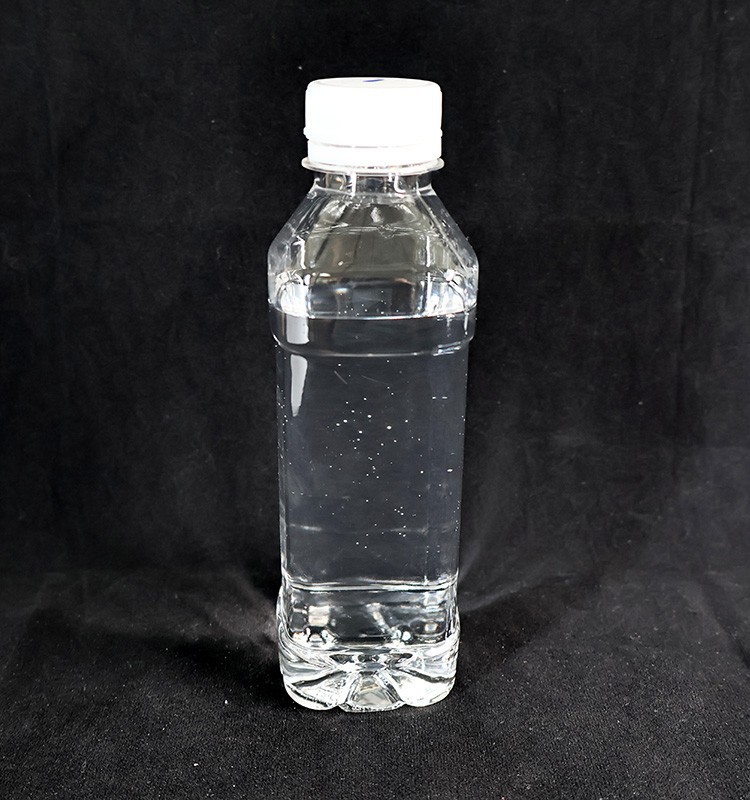
Biocides are a class of chemical agents used to control or eliminate microorganisms in water. Their primary function is to inhibit the growth of bacteria, fungi, algae, yeasts, and other microorganisms, thereby maintaining a clean and stable water system.
Based on their mode of action, water treatment biocides can be broadly classified into the following categories: oxidative biocides, non-oxidative biocides, broad-spectrum composite biocides, slow-release biocides, and eco-friendly biological biocides. Different product types are suitable for different water qualities and process conditions; companies typically select the appropriate product based on the requirements of their recirculating water systems, reverse osmosis systems, or industrial wastewater treatment processes.
Biocides do not simply “alter the water”; rather, they improve the operational status of the entire water system by affecting the microorganisms within it.
When a biocide is added to water, its active ingredients interact with microbial cells. For example, they may: disrupt cell membrane structures; inhibit enzyme activity; interfere with cellular metabolism; block DNA or RNA replication; or inhibit protein synthesis.
These effects cause microorganisms to lose their normal physiological functions, ultimately halting their reproduction or leading to their death. As the microbial population declines, the entire water system can return to a more stable operating state.
Microorganisms in water reproduce continuously, producing large amounts of organic metabolites. These metabolites can easily lead to: water turbidity; increased odors; slime formation; and worsening biological contamination.
The proper use of biocides can effectively control microbial populations, helping to maintain good water clarity and stability. Particularly in industrial recirculating water systems, controlling microbial contamination can significantly improve overall water quality.
It is important to note that biocides do not remove sediment, heavy metals, or dissolved salts; their primary function is to control biological contamination. Therefore, they are typically used in conjunction with other processes such as filtration, scale inhibitors, and coagulants.
Biofilm is one of the most common issues in industrial water treatment. When bacteria attach to equipment surfaces, they gradually form a protective layer composed of microorganisms and viscous substances. Biofilm tends to adhere to: the inner walls of pipes; heat exchangers; cooling tower fill; RO membrane surfaces; storage tanks; and water tanks.
Once biofilm forms, it not only reduces equipment operating efficiency but also makes cleaning more difficult. Biocides effectively inhibit bacterial adhesion and reduce biofilm formation, thereby lowering the frequency of system maintenance.
Reverse osmosis membranes are a critical component of modern pure water systems. If microorganisms proliferate extensively on the surface of RO membranes, biological fouling occurs.
Biological fouling can lead to: decreased membrane flux; increased pressure drop; reduced water production; more frequent cleaning; and shortened membrane lifespan.
Specialized RO biocides play a vital role in membrane cleaning and pretreatment. By controlling the growth of bacteria and algae, they help keep membrane surfaces clean and improve the operational efficiency of reverse osmosis systems. Consequently, in industries such as electronics, pharmaceuticals, food processing, and seawater desalination, biocides have become an essential component of RO system maintenance.
Many people believe that corrosion is primarily caused by chemical factors; in reality, microorganisms can also contribute to corrosion. This phenomenon is commonly referred to as microbial corrosion (MIC). Certain bacteria can produce acidic substances or alter the electrochemical environment on metal surfaces, thereby accelerating the corrosion rate. By reducing microbial populations, biocides can lower the likelihood of microbial corrosion occurring.
For cooling towers, heat exchangers, storage tanks, and industrial piping, this translates to: extended equipment service life; reduced maintenance costs;
lower risk of downtime; and improved system reliability.
Recirculating cooling water systems are widely used in power plants, steel mills, chemical plants, central air conditioning systems, and large manufacturing facilities. Excessive microbial growth in these systems can lead to: reduced cooling efficiency; decreased heat exchange capacity; increased flow resistance; and pipe blockages.
Regular use of biocides controls bacterial and algal growth, helping cooling systems maintain high heat exchange efficiency. At the same time, it reduces the frequency of equipment cleaning and enhances continuous production capacity.
Biocides are not only used in industrial recirculating water systems but also play a crucial role in wastewater treatment processes. Examples include medical wastewater, pharmaceutical wastewater, food processing wastewater, and certain types of industrial wastewater.
In these systems, the proper use of biocides can reduce the population of harmful microorganisms and minimize the risk of pathogen transmission. However, in biological treatment processes (such as the activated sludge process), the use of biocides must be strictly controlled, as excessive dosing may interfere with the normal growth of beneficial microorganisms. Therefore, the type and dosage of biocides should be selected scientifically based on process requirements.
Biocides have become essential products in modern water treatment primarily due to the following advantages.
(1) Effective control of microbial contamination: They rapidly inhibit the growth of bacteria, algae, and fungi, thereby improving system hygiene.
(2) Improved equipment operational efficiency: They reduce biological fouling, helping heat exchangers, piping, and RO membranes maintain optimal operating conditions.
(3) Extended equipment service life: They reduce microbial corrosion and biofilm formation, thereby minimizing equipment wear and tear.
(4) Lower maintenance costs: They reduce the frequency of shutdowns for cleaning, thereby lowering labor and maintenance expenses.
(5) Enhanced system stability: They ensure the long-term stable operation of circulating water and pure water systems, improving production continuity.
Although biocides can improve water treatment effectiveness, scientific management principles must be followed during their use.
(1) Select an appropriate biocide based on water quality and microbial types, as the scope of application varies among different products.
(2) Add the biocide strictly according to the recommended concentration. Insufficient dosage may fail to achieve the desired disinfection effect, while excessive use may increase operating costs and even damage certain equipment materials.
(3) Total bacterial counts, biofilm conditions, and system operating parameters should be monitored regularly, and dosing schemes optimized based on the test results. For special industries such as food processing and drinking water, products that comply with relevant regulatory requirements must be selected, and usage guidelines must be strictly followed.
The primary function of biocides in water treatment is not to alter the chemical composition of the water, but to effectively control the growth and reproduction of microorganisms such as bacteria, fungi, and algae; prevent biofilm formation; reduce microbial corrosion; and maintain the stable operation of water treatment systems. They are widely used in various fields, including circulating cooling water, reverse osmosis systems, industrial wastewater treatment, sewage treatment, electronics manufacturing, chemical processing, power generation, and pharmaceuticals, and are an integral part of modern water treatment technology.
With the continuous development of green and environmentally friendly concepts and smart water treatment technologies, biocides will continue to evolve toward higher efficiency, lower toxicity, greater environmental friendliness, and smarter operation. They will provide more reliable technical support for industrial production, water resource conservation, and public health, and will play an increasingly important role in the global water treatment industry.

 E-mail:jcl@jichanglong.com
 WhatsApp:+8618560709619
 Address:Block B, Polymer Materials Industry Innovation Park,No. 51, Lutai Avenue, High-tech Zone, Zibo City, Shandong Province
China vanadium inhibitors manufacturer Shandong Jichanglong Environmental Engineering Co., Ltd.
Jichanglong specializes in vanadium inhibitor , dehumidification and drying block, calcium hypochlorite disinfectant tablets, polyacrylamide and other products. With over 20 years of experience, we offer quality assurance and wholesale prices.