With the development of industrial production, public infrastructure, and water treatment sectors, microbial control has become a critical issue in many manufacturing processes. In areas such as water systems, industrial circulating water, coatings, papermaking, textiles, and petrochemicals, the rapid proliferation of microorganisms—including bacteria, fungi, and algae—can compromise product quality, equipment operation, and production efficiency. Consequently, the effective control of harmful microorganisms has become a key topic in industrial production and water treatment.
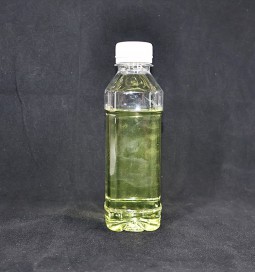
Biocides are chemical agents used to control, inhibit, or kill specific harmful organisms and microorganisms. Depending on their active ingredients and intended applications, biocides can target bacteria, fungi, algae, and other microorganisms. It is important to note that a biocide is not a single chemical substance but rather a broad category of products with diverse mechanisms of action and application methods.

Biocides are generally defined as chemical agents capable of controlling or killing harmful microorganisms. Different industrial sectors employ various types of biocides to manage the growth of bacteria, fungi, algae, and other microorganisms. In terms of their effects, biocides function by disrupting microbial cell structures, interfering with cellular metabolism, inhibiting biofilm formation, or suppressing microbial reproduction.
Mechanisms of action vary significantly among different biocides. Some products are designed to rapidly reduce microbial populations, while others focus primarily on inhibiting sustained microbial growth. Therefore, selecting the appropriate product for practical application requires considering factors such as water quality, temperature, pH levels, the specific types of microorganisms present, and treatment objectives. The use of biocides does not imply the total elimination of all microorganisms; effective industrial microbial control typically requires a combination of strategies, including water quality management, equipment cleaning, filtration, and other treatment measures.
The primary function of biocides is to control the growth and reproduction of harmful microorganisms.
Microorganisms such as bacteria, fungi, and algae can multiply rapidly under favorable conditions of temperature, nutrients, and moisture. Without effective control, this proliferation can lead to a range of problems.
Biocides help maintain a relatively stable microbial environment within production systems by reducing microbial populations or inhibiting further reproduction. For instance, in industrial circulating water systems, microbial growth can lead to the formation of slime or biofilms that adhere to the surfaces of pipelines, heat exchangers, and other equipment. Proper sterilization treatments can help mitigate the impact of these microorganisms. In products such as coatings and adhesives, microbial contamination can lead to product spoilage; therefore, appropriate preservation and microbial control measures may also be required.
Many factories require the recirculation of large volumes of industrial water. For instance, cooling systems continuously circulate water; if the water contains microorganisms conducive to growth, bacteria and algae may gradually proliferate.
Massive microbial proliferation can lead to the formation of biofilms and slime, which impair heat transfer efficiency and increase the frequency of equipment cleaning and maintenance.
In such scenarios, suitable biocides can be incorporated into recirculating water treatment programs to control microbial populations.
Industrial water treatment rarely relies on a single chemical agent; instead, biocides are often used in conjunction with other water treatment products—such as scale inhibitors and corrosion inhibitors—tailored to specific water quality and system characteristics, thereby achieving comprehensive water system management.
Reverse osmosis (RO) systems are widely used in the production of industrial pure water, the pretreatment of drinking water, and various other water treatment projects.
Although RO membranes can remove a vast array of impurities, uncontrolled microorganisms in the feed water can form biofilms on the membrane surface. Biofilm formation can compromise the operational efficiency of the membrane system and increase the need for cleaning and maintenance.
Consequently, appropriate microbial control measures—determined by the water source and system design—are typically required during the pretreatment stage of RO systems. It is crucial to note that not all biocides are suitable for direct introduction into RO membrane systems. Different membrane materials exhibit varying levels of chemical tolerance; therefore, compatible treatment solutions must be selected in accordance with the membrane manufacturer's technical specifications.
The papermaking process consumes large quantities of water, while pulp and other raw materials often contain nutrients that foster microbial growth. Excessive microbial proliferation can generate slime, unpleasant odors, and other production issues, potentially compromising paper quality and equipment operation.
Therefore, biocides are employed to control microorganisms at various stages of the papermaking process. Depending on the specific production system, biocides may be applied to recirculating water, pulp systems, coating systems, and other areas requiring microbial control. Effective microbial control helps stabilize the production environment and minimizes production fluctuations caused by microbial contamination.
The textile industry involves significant quantities of water and various types of organic materials; consequently, microbial control is required during certain stages of production.
Biocides can be applied—based on specific process requirements—to recirculating water, process water, and specific treatment stages where microbial control is necessary. Appropriate anti-mold measures may also be required during the finishing and storage of textile products.
However, biocidal products used in the textile industry must comply with relevant product standards and regulatory requirements, while also taking into account their impact on fabric color, hand-feel, and subsequent processing performance.
Biofilms represent a common microbial issue in industrial water systems. Once microorganisms adhere to surfaces such as pipelines, storage tanks, or heat exchangers, they can gradually form a film-like structure composed of microorganisms and organic matter. Once established, biofilms are often more difficult to control than microorganisms in a free-floating state. Therefore, microbial management in industrial water treatment requires attention not only to the microbial count in the water but also to biofilms on equipment surfaces.
Suitable biocides can help reduce microbial activity and serve as part of an integrated water treatment strategy for biofilm control.
However, if a thick biofilm has already formed, relying solely on the continuous addition of biocides may not resolve the issue. In actual operations, a combination of measures—such as mechanical cleaning, system blowdown, and water quality management—is typically required.
There is a wide variety of biocides, which can be classified based on their chemical composition and mode of action.
(1) Oxidizing biocides typically destroy critical components of microorganisms through oxidation and act relatively quickly. This category includes certain chlorine-based products, peroxides, and other oxidizing chemicals.
(2) Non-oxidizing biocides affect microorganisms through various biochemical mechanisms, such as disrupting cell membranes, interfering with cellular metabolism, or inhibiting microbial reproduction.
Different types of biocides have distinct characteristics; no single product is universally suitable for all systems. Selection requires a comprehensive assessment of factors such as the type of microorganisms present, water quality, temperature, pH value, contact time, equipment materials, and relevant regulatory requirements.
(1) What needs to be controlled: bacteria, fungi, or algae? Different microorganisms may exhibit varying levels of sensitivity to chemical agents.
(2) Analysis of actual water quality or the production system is required. Factors such as pH, temperature, organic matter content, hardness, and other chemical constituents can influence the efficacy of biocides.
(3) Material compatibility within the treatment system must be considered. Certain chemicals may adversely affect metals, plastics, rubber, or membrane materials.
Regulatory and environmental requirements also demand attention. Industrial biocides are not ordinary cleaning agents; their use must be managed in strict accordance with product labels, technical specifications, and relevant regulations.
In short, the primary function of biocides is to control, inhibit, or eliminate specific harmful microorganisms, thereby mitigating the impact of bacterial, fungal, and algal proliferation on industrial production, water treatment systems, and product quality. Biocides play a vital role across a wide range of applications, from industrial circulating water and reverse osmosis systems to papermaking, coatings, textiles, and other manufacturing sectors. However, biocides are not "one-size-fits-all" products; the appropriate product must be selected for each system based on the specific types of microorganisms present, water quality conditions, equipment materials, and regulatory requirements.
As industrial production moves toward greater precision and environmental sustainability, the future of biocides will focus increasingly on high-efficiency, targeted, and sustainable microbial control. For enterprises, the scientific selection of products, proper dosage control, and robust safety management are essential to maximizing the effectiveness of biocides in industrial production and water treatment.

 E-mail:jcl@jichanglong.com
 WhatsApp:+8618560709619
 Address:Block B, Polymer Materials Industry Innovation Park,No. 51, Lutai Avenue, High-tech Zone, Zibo City, Shandong Province
China vanadium inhibitors manufacturer Shandong Jichanglong Environmental Engineering Co., Ltd.
Jichanglong specializes in vanadium inhibitor , dehumidification and drying block, calcium hypochlorite disinfectant tablets, polyacrylamide and other products. With over 20 years of experience, we offer quality assurance and wholesale prices.