In industries such as petroleum, metallurgy, chemicals, and energy, the presence of vanadium can impact equipment operation. Specifically, during the combustion of heavy oil or vanadium-bearing fuels, or the processing of vanadium-containing minerals, vanadium compounds can form deposits at high temperatures and corrode metal equipment. To mitigate these effects, industrial processes employ specialized chemical additives known as vanadium inhibitors; these function by chemically reacting with vanadium or altering the properties of the deposits, thereby reducing the adverse impact of vanadium compounds on the equipment.
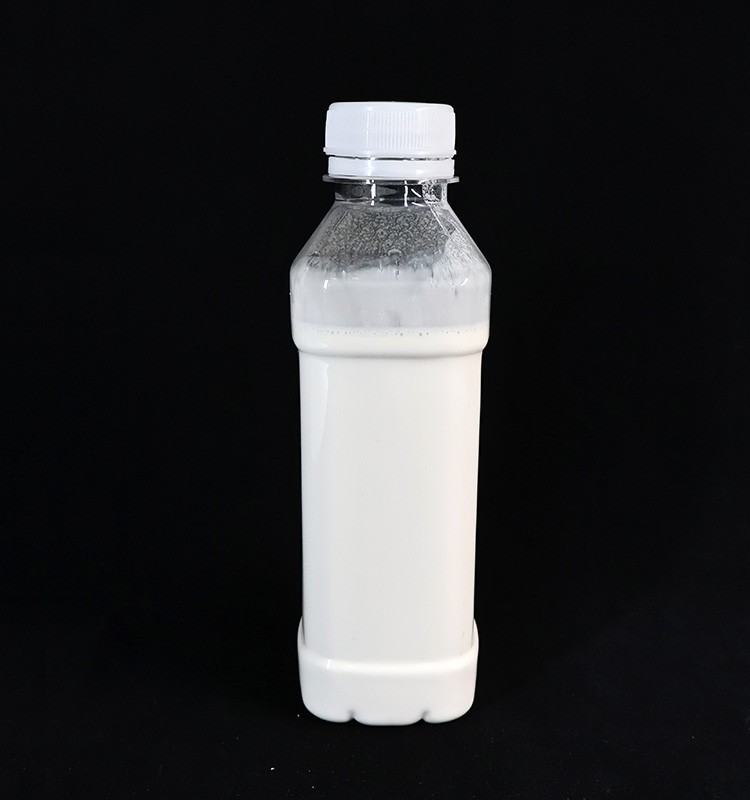
A vanadium inhibitor is a functional additive designed to control high-temperature corrosion caused by vanadium compounds. Certain fuels, such as heavy oil, contain vanadium. When these fuels burn at high temperatures, the vanadium transforms into compounds such as vanadium oxides.
At high temperatures, these vanadium oxides can form low-melting-point substances that deposit on metal surfaces, impairing normal equipment operation. The primary function of a vanadium inhibitor is to react with vanadium compounds, converting them into stable substances with higher melting points and lower corrosivity, thereby minimizing the impact of vanadium deposits on the equipment. In essence, a vanadium inhibitor does not remove vanadium from the fuel itself but rather alters the nature of the vanadium compounds to reduce the harm they cause to the equipment.
Vanadium-induced corrosion is a significant concern in high-temperature combustion equipment. When vanadium-bearing fuel burns, the resulting vanadium oxides can combine with other elements to form complex compounds.
These substances can adhere to equipment surfaces, reduce heat exchange efficiency, complicate maintenance, and accelerate the degradation of metal materials. Equipment such as gas turbines, boilers, and heavy-oil combustion systems is particularly susceptible to high-temperature corrosion during prolonged operation. Consequently, the use of appropriate vanadium inhibitors helps enhance operational stability and extend the equipment's service life.
Magnesium-based vanadium inhibitors typically utilize magnesium-containing compounds as their primary active ingredient. During high-temperature combustion, the magnesium reacts with vanadium oxides to form stable magnesium-vanadium compounds. These compounds generally possess high melting points and do not readily form the highly corrosive molten deposits associated with untreated vanadium. Thus, magnesium-based vanadium inhibitors effectively reduce the corrosive impact of vanadium compounds on metal surfaces.
Magnesium-based vanadium inhibitors are primarily used in: heavy oil boilers, gas turbines, marine propulsion systems, industrial combustion systems, and high-temperature energy equipment. In these systems, vanadium present in the fuel can have adverse effects during combustion, necessitating appropriate protective measures.
Calcium-based vanadium inhibitors function through the reaction of calcium with vanadium compounds. They form stable calcium-vanadium compounds, thereby mitigating vanadium-induced corrosion in certain combustion environments. While calcium-based products offer practical value, their actual effectiveness depends on fuel composition and equipment operating conditions.
Some high-performance vanadium inhibitors incorporate rare-earth elements. These elements enhance the chemical reaction process and improve the inhibitor's ability to suppress high-temperature corrosion. Such products are typically used in industrial environments requiring a high level of equipment protection.
In modern industry, many vanadium inhibitors are not single-component products but are composed of various functional materials. Composite vanadium inhibitors can be tailored to specific fuel characteristics and equipment operating conditions to achieve superior overall performance.
Gas turbines typically operate at high temperatures. If the fuel contains vanadium, the resulting vanadium compounds can damage turbine blades and metal components. Consequently, vanadium inhibitors are added to certain fuels to mitigate the risk of high-temperature corrosion.
Heavy fuel oil may contain varying amounts of vanadium. In industrial boilers and combustion equipment, vanadium inhibitors help reduce issues associated with vanadium deposits.
Some vessels utilize heavy fuel oil for propulsion. Since engines operate in high-temperature environments for extended periods, metallic elements in the fuel can compromise equipment longevity, making protective measures necessary.
Equipment such as power plant boilers and industrial heating furnaces may also involve the combustion of vanadium-containing fuels. Vanadium inhibitors can be used as fuel additives to improve equipment operating conditions.
Different equipment and fuel conditions impose varying requirements on vanadium inhibitors; therefore, the following factors should be considered when selecting a product:
(1) Vanadium content in the fuel: Higher vanadium levels generally necessitate a more effective treatment strategy.
(2) Equipment operating temperature: High-temperature environments influence the formation and deposition of vanadium compounds, requiring the selection of products suited to specific temperature conditions.
(3) Fuel composition: In addition to vanadium, elements such as sulfur and sodium in the fuel can also influence the corrosion process.
(4) Dosage ratio: The appropriate dosage of the vanadium inhibitor must be determined based on fuel volume and vanadium content. Insufficient dosage may fail to achieve the desired results, while excessive use can increase costs.
(5) Equipment type: Differences in equipment structure and operating modes require the selection of a compatible vanadium inhibition strategy.
Proper use of vanadium inhibitors offers several advantages:
(1) Reduced risk of high-temperature corrosion: Vanadium inhibitors alter the properties of vanadium compounds, thereby reducing the formation of corrosive deposits.
(2) Enhanced equipment stability: Mitigating deposition and corrosion issues helps maintain long-term equipment operation.
(3) Extended equipment service life: Reducing wear and tear on metal components can lower maintenance requirements.
(4) Improved operational efficiency: Minimizing the impact of deposits helps maintain optimal equipment performance.
As the energy industry places increasing emphasis on equipment efficiency and environmental protection, vanadium inhibitor technology continues to evolve.
Future development directions include: more efficient chemical formulations; environmentally friendly additives; more precise dosage control; products compatible with a wider range of fuel types; and multifunctional composite additives. Modern industry focuses not only on mitigating vanadium-induced corrosion but also on equipment operational efficiency, maintenance costs, and environmental impact.
Vanadium inhibitors are industrial additives used to control the effects of vanadium compounds in high-temperature environments. Common types include magnesium-based, calcium-based, rare-earth composite, and general composite vanadium inhibitors. Among these, magnesium-based inhibitors are widely used in the industry due to their broad applicability, making them particularly suitable for heavy-oil combustion equipment, gas turbines, and certain high-temperature energy systems. Selecting an appropriate vanadium inhibitor requires considering factors such as fuel composition, vanadium content, equipment type, and operating temperature. The proper use of vanadium inhibitors helps mitigate vanadium-related corrosion, enhances the operational reliability of industrial equipment, and extends its service life.

 E-mail:jcl@jichanglong.com
 WhatsApp:+8618560709619
 Address:Block B, Polymer Materials Industry Innovation Park,No. 51, Lutai Avenue, High-tech Zone, Zibo City, Shandong Province
China vanadium inhibitors manufacturer Shandong Jichanglong Environmental Engineering Co., Ltd.
Jichanglong specializes in vanadium inhibitor , dehumidification and drying block, calcium hypochlorite disinfectant tablets, polyacrylamide and other products. With over 20 years of experience, we offer quality assurance and wholesale prices.