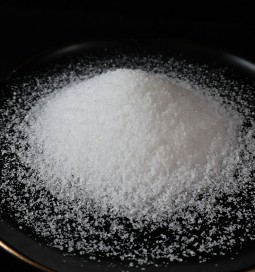
Polyacrylamide (PAM), a commonly used polymeric chemical material, finds extensive applications across various fields including water treatment, mining, agriculture, cosmetics, and the pulp industry. In daily life, many people may come into contact with polyacrylamide, particularly those who use skincare products and cosmetics containing this ingredient. However, the question of whether polyacrylamide is beneficial or harmful to the skin has long been a public concern. This article will delve into the effects of polyacrylamide on the skin, analyze its applications across different fields—particularly its use in cosmetics—to help readers better understand this chemical compound and its impact on skin health.
Polyacrylamide is a water-soluble polymer synthesized from acrylamide monomers, commonly used as a flocculant, gelling agent, thickener, and more. Its molecular structure contains amide groups (–CONH₂), which confer excellent water solubility and viscosity. In water treatment processes, polyacrylamide promotes the sedimentation of suspended particles in water, finding extensive application in wastewater treatment and mining industries. Additionally, due to its thickening and emulsion-stabilizing properties, polyacrylamide is frequently added to personal care products and cosmetics.
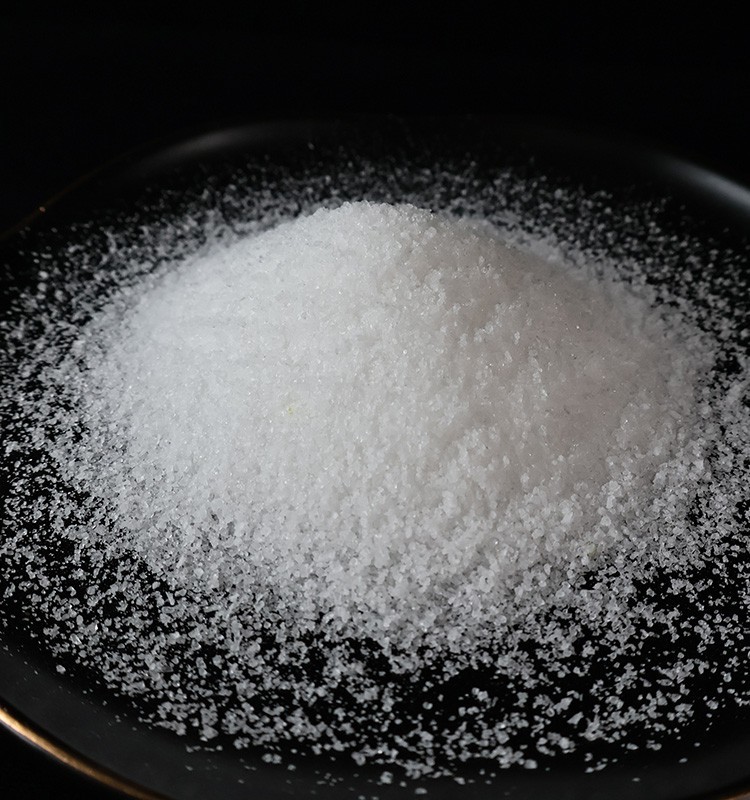
In cosmetics, polyacrylamide primarily functions as a thickener, stabilizer, emulsifier, or gelling agent. It enhances product texture and user experience, making formulations smoother and easier to apply. Common cosmetics containing polyacrylamide include facial cleansers, masks, skin creams, hair gels, and body lotions. Polyacrylamide not only increases product viscosity but also enhances moisturizing properties and comfort.
Some cosmetic manufacturers utilize it as a key ingredient for achieving a “translucent texture” or “watery feel,” imparting a clear, smooth appearance to products. This ingredient is generally considered skin-safe, particularly at appropriate concentrations. However, as consumer awareness of cosmetic ingredients grows, increasing attention is being paid to whether polyacrylamide poses potential skin irritation or other health risks.
Polyacrylamide itself is a relatively stable chemical substance, typically used at low concentrations in daily skincare and cosmetics. In the vast majority of cases, polyacrylamide does not cause noticeable irritation or harm to the skin. Particularly in cosmetics produced by reputable manufacturers, polyacrylamide concentrations are usually strictly controlled within safe limits, making it relatively safe for skin contact.
However, a very small number of individuals may experience allergic reactions when using products containing polyacrylamide. These reactions typically manifest as skin redness, swelling, itching, or small rashes. If you experience these symptoms after using certain polyacrylamide-containing skincare products, it is recommended to discontinue use immediately and consult a healthcare professional.
Although polyacrylamide is generally safe at low concentrations, some studies suggest that prolonged, high-level exposure may have certain effects on the skin and other organs. Particularly in industrial settings, workers exposed to high concentrations over extended periods may develop skin allergies, irritation, or other adverse reactions. Therefore, when using products containing polyacrylamide—especially for those with sensitive skin—it is advisable to choose non-irritating formulations and avoid excessive application.
According to international safety standards for cosmetic ingredients, the concentration of polyacrylamide in cosmetics generally does not exceed 0.5%. Within this range, polyacrylamide is considered harmless to the skin. In cosmetics, polyacrylamide is typically listed under the names “polymer” or “polyacrylamide.” Consumers can check product labels to determine if this ingredient is present.
Many cosmetics contain other chemical ingredients besides polyacrylamide, such as preservatives, fragrances, and dyes. The combination of these components may produce varying effects on the skin. For instance, certain preservatives may increase the risk of skin irritation, while some fragrances could trigger allergic reactions. Therefore, consumers should carefully review ingredient lists when selecting cosmetics to avoid products containing substances they are allergic or sensitive to.
Additionally, interactions between polyacrylamide and other ingredients may influence its skin effects. For instance, in certain skincare products, combining polyacrylamide with highly hydrating ingredients (such as glycerin or hyaluronic acid) may enhance moisturization, reducing dryness and tightness.
Polyacrylamide is extensively used in water treatment and wastewater management, primarily as a flocculant, sedimentation agent, and dewatering agent. Due to its excellent adsorption and flocculation properties, polyacrylamide effectively removes solid particles, suspended matter, and impurities from water, thereby purifying water quality. Although this application does not involve direct skin contact, the use of polyacrylamide directly impacts water quality, thus indirectly affecting daily life and skin health.
In agriculture, polyacrylamide is primarily used for soil improvement and soil and water conservation. Through its excellent water-holding capacity, it enhances soil structure, increases water retention and aeration, and improves crop growth environments. Although polyacrylamide typically does not come into direct skin contact in agricultural settings, non-compliant products may lead to soil residues that could potentially affect human health. Therefore, its use in agriculture must strictly adhere to regulations to prevent adverse environmental and health impacts.
Polyacrylamide is relatively common in cosmetics, primarily found in products like facial cleansers, masks, and skin care lotions. In these formulations, its main function is to improve texture and viscosity while enhancing stability and longevity. According to relevant research and regulations, polyacrylamide in compliant cosmetics is safe and poses no significant harm to the skin. However, excessive use or the selection of low-quality cosmetics may still cause skin damage.
Polyacrylamide is also used in the food industry as a clarifying agent, thickener, and in other food processing applications. In these products, polyacrylamide usage is strictly monitored to ensure no adverse health effects. Nevertheless, long-term consumption of foods containing trace amounts of polyacrylamide may pose potential health risks. Consequently, national food safety standards impose stringent regulations to guarantee the safety of polyacrylamide-containing foods.
Overall, as a highly efficient polymeric material, polyacrylamide finds extensive applications across water treatment, cosmetics, agriculture, food, and other sectors. For skin care, polyacrylamide is generally safe when used in products strictly adhering to safety standards, offering effective skincare benefits—particularly in cosmetics where it provides advantages like thickening, stabilization, and film-forming properties. Nevertheless, individuals with sensitive skin should still pay attention to concentration and frequency of use to ensure skin safety and health. With continuous technological advancement and refinement of safety standards, polyacrylamide will play an increasingly vital role across various industries.

 E-mail:jcl@jichanglong.com
 WhatsApp:+8618560709619
 Address:Block B, Polymer Materials Industry Innovation Park,No. 51, Lutai Avenue, High-tech Zone, Zibo City, Shandong Province
China vanadium inhibitors manufacturer Shandong Jichanglong Environmental Engineering Co., Ltd.
Jichanglong specializes in vanadium inhibitor , dehumidification and drying block, calcium hypochlorite disinfectant tablets, polyacrylamide and other products. With over 20 years of experience, we offer quality assurance and wholesale prices.