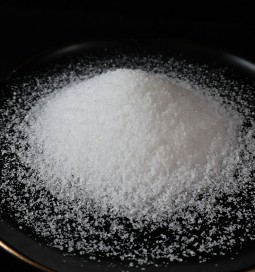
With the rapid advancement of global industrial upgrading and increasingly stringent environmental protection policies, polyacrylamide (PAM) is emerging as an indispensable “infrastructure” across numerous industries due to its high efficiency as a polymeric chemical material. It finds extensive applications in water treatment, mining, petroleum extraction, papermaking, agriculture, and other fields. With its outstanding flocculation properties, thickening capabilities, separation efficiency, and structural adjustability, PAM delivers higher production efficiency, lower energy consumption, and more stable output for industrial processes. As a water-soluble polymer, polyacrylamide plays a pivotal role in numerous industrial processes through mechanisms such as adsorption, bridging, and charge neutralization. This article will delve into the functions of polyacrylamide and its applications across various sectors.
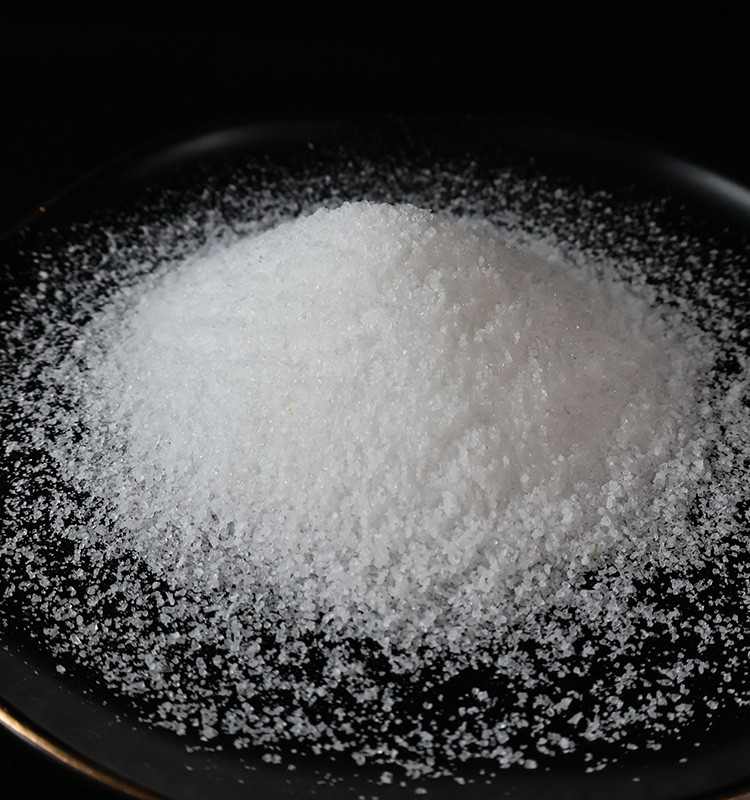
Polyacrylamide is a water-soluble polymer characterized by its long-chain structure and abundant active groups. Its molecular chains contain numerous amide groups (-CONH₂), conferring excellent water solubility and chemical stability. Depending on production processes, polyacrylamide is classified into anionic, cationic, nonionic, and amphoteric types, each serving distinct functions across industries.
The mechanism of action for polyacrylamide primarily encompasses the following aspects:
(1) Bridging Effect: Its long-chain structure captures suspended particles in water, forming larger flocs to enhance solid-liquid separation efficiency.
(2) Charge Neutralization: Polyacrylamide adsorbs onto charged particles, disrupting their stability and causing them to lose their dispersed state, thereby promoting flocculation.
(3) Rheological Control: It modifies fluid rheological properties by adjusting viscosity, such as enhancing lubrication performance.
These capabilities enable polyacrylamide's extensive application across multiple industries, particularly in water treatment and oil/gas extraction where it plays a critical role.
Water treatment represents one of polyacrylamide's most extensive application areas, encompassing municipal sewage, industrial wastewater, drinking water treatment, sludge dewatering, and other processes. Proper use of polyacrylamide significantly improves solid-liquid separation efficiency, reduces treatment costs, and enhances water quality.
(1) Sedimentation and Clarification: During sedimentation and clarification processes, polyacrylamide's superior flocculation properties effectively aggregate suspended particles and colloidal substances into larger flocs. These flocs rapidly settle or float to the surface, achieving water purification. Compared to traditional inorganic coagulants, polyacrylamide requires lower dosage and maintains high treatment efficiency under complex water conditions.
(2) Sludge Dewatering: In sludge treatment, cationic polyacrylamide is widely used in the dewatering process. Through charge adsorption, polyacrylamide enhances sludge dewatering performance, reduces moisture content, and consequently lowers transportation and disposal costs. Its application can increase dewatering efficiency by 20% to 50% in wastewater treatment plants while significantly reducing equipment energy consumption.
Oil and gas extraction represents another critical application area for polyacrylamide. Its role is particularly irreplaceable in tertiary oil recovery, drilling fluid thickening, and drilling fluid formulations.
(1) Tertiary Oil Recovery: In polymer flooding technology, polyacrylamide is injected into reservoirs as a thickening agent. It improves the flow properties of the flooding fluid relative to crude oil, thereby increasing oil recovery rates. Studies indicate polyacrylamide use can boost recovery by 5% to 15%, delivering higher economic returns for mature oilfields.
(2) Drilling Mud: Polyacrylamide also plays a vital role in drilling operations. It enhances the mud's ability to carry cuttings, improves wellbore stability, and reduces the risk of collapses and fluid losses. Additionally, in fracturing fluids, certain modified polyacrylamides improve the delivery capacity of proppants, thereby enhancing fracturing efficiency.
Polyacrylamide finds extensive use in the pulp and paper industry, primarily to enhance paper strength, improve fiber and filler retention, and optimize pulp dewatering performance.
(1) Strengthening Paper: Cationic polyacrylamide significantly improves both dry and wet strength during papermaking, particularly enhancing the mechanical properties and stability of high-strength corrugated paper and packaging paper.
(2) Improving Dewatering Performance: Polyacrylamide increases dewatering efficiency and reduces dewatering time, thereby accelerating production line speeds. In high-speed paper machines, polyacrylamide use substantially increases production capacity, enabling more efficient manufacturing in the paper industry.
In mining and metallurgy, polyacrylamide is primarily used for solid-liquid separation, mineral powder recovery, and tailings treatment. It improves slurry separation efficiency, reduces effluent turbidity, and increases mineral powder recovery rates.
(1) Mine Wastewater Treatment: In mine wastewater treatment, polyacrylamide's long-chain structure effectively traps fine silt particles, forming larger flocs that accelerate settling and reduce turbidity.
(2) Tailings Management: Polyacrylamide assists mining companies in achieving efficient dewatering and recovery within tailings ponds, enhancing both safety and environmental sustainability in tailings processing.
Beyond traditional industrial sectors, polyacrylamide has increasingly demonstrated functional value in agriculture, construction materials, and daily chemical products in recent years.
(1) Agriculture: In agriculture, polyacrylamide is used for soil improvement and moisture retention, reducing soil erosion and enhancing water-holding capacity, with notable benefits for crop cultivation in arid regions.
(2) Building Materials Industry: In the building materials sector, polyacrylamide serves as a mortar thickener, improving rheological properties and adhesion for more stable and efficient construction. In cosmetics and pharmaceutical excipients, ultra-pure polyacrylamide serves as a binder, film-forming agent, or stabilizer, though it must meet stringent food-grade or pharmacopoeia standards.
These emerging applications demonstrate polyacrylamide's extended potential in materials science, opening new growth avenues for the industry.
With rising global environmental standards, the polyacrylamide industry is advancing toward greener, smarter, and higher-functionality solutions. Future products will emphasize biodegradability, lower residual monomer content, higher molecular weight, and more precise molecular structure control. Simultaneously, the development of intelligent metering and dosing systems will enhance polyacrylamide utilization efficiency while reducing corporate costs. Manufacturers are advancing polyacrylamide toward greater efficiency and environmental sustainability through molecular design, functional group modification, and precision polymerization techniques, thereby supporting higher-quality operations across global industrial systems.
With its outstanding flocculation, thickening, filtration aid, and modification capabilities, polyacrylamide has found extensive applications across multiple industries—from water treatment and oil & gas extraction to papermaking and mining. As industry demands continue to evolve, polyacrylamide's functions and applications will become increasingly diversified. Its pivotal role within the global green and eco-friendly industrial chain is poised to grow ever more prominent.

 E-mail:jcl@jichanglong.com
 WhatsApp:+8618560709619
 Address:Block B, Polymer Materials Industry Innovation Park,No. 51, Lutai Avenue, High-tech Zone, Zibo City, Shandong Province
China vanadium inhibitors manufacturer Shandong Jichanglong Environmental Engineering Co., Ltd.
Jichanglong specializes in vanadium inhibitor , dehumidification and drying block, calcium hypochlorite disinfectant tablets, polyacrylamide and other products. With over 20 years of experience, we offer quality assurance and wholesale prices.